Blog

5 Factors that Affect Siding Installation Cost

Siding is like the skin of your house, protecting it from the elements while also contributing to its aesthetic appeal. However, over time, siding can wear out, becoming less effective and detracting from your home’s appearance.

When it’s time to replace your siding, it’s essential to understand:

  • The costs involved
  • The different materials available
  • The best practices for installation and maintenance

In this guide, we’ll delve into all aspects of siding installation cost, helping you make informed decisions for your home.

Signs That You Need to Replace Your Siding

Before discussing costs, it’s crucial to recognize the signs that your siding may need replacing:

  • Visible Damage: Look for cracks, warping, or holes in your siding. These issues can allow moisture to penetrate, leading to further damage and potentially mold growth.
  • Increased Energy Bills: Old or damaged siding can compromise your home’s insulation, resulting in higher energy bills as your HVAC system works harder to maintain a comfortable temperature.
  • Fading or Peeling Paint: If you notice your paint is peeling or fading unevenly, it could be a sign of moisture getting trapped beneath the siding, causing it to deteriorate.
  • Rot or Mold: Inspect your siding for signs of rot or mold growth, especially in areas prone to moisture buildup, such as around windows, doors, or in shaded areas.
  • Bubbling or Blistering: These abnormalities on your siding’s surface are often indicative of water infiltration, potentially causing significant damage to the underlying structure.

5 Different Siding Materials

When it comes to siding materials, there’s no shortage of options, each with its own advantages and price points. Here are some of the most common siding materials:

1) Vinyl Siding:

Vinyl is a popular choice due to its affordability, low maintenance requirements, and versatility in terms of colors and styles. It’s relatively easy to install, making it a cost-effective option for many homeowners.

2) Wood Siding:

Wood siding offers a timeless, natural look that can enhance the curb appeal of your home. While it tends to be more expensive than vinyl, wood siding can last for decades with proper maintenance.

3) Fiber Cement Siding:

Made from a blend of cement, sand, and cellulose fibers, fiber cement siding is durable, fire-resistant, and resistant to rot and pests. It’s available in various textures and can mimic the look of wood or stucco at a fraction of the cost.

4) Metal Siding:

Metal siding, such as aluminum or steel, is known for its durability and low maintenance requirements. It’s particularly well-suited for areas prone to extreme weather conditions and offers excellent protection against fire and pests.

5) Brick and Stone Veneer:

While more expensive than other options, brick and stone veneer siding can add a touch of elegance and sophistication to your home. It’s exceptionally durable and requires minimal maintenance but comes with a higher upfront cost.

The Cost of Installing New Siding
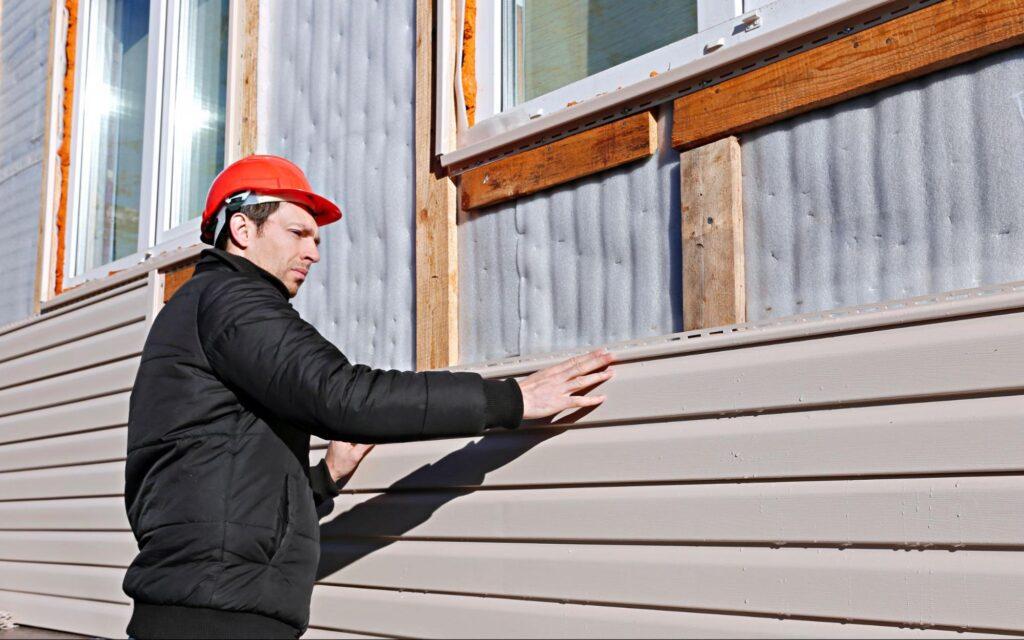
professional siding expert inspecting a project

The cost of installing new siding can vary significantly depending on several factors, including the size of your home, the chosen material, labor costs in your area, and any additional features or customization. On average, however, you can expect to pay anywhere from $6,000 to $15,000 for a typical single-story home, with prices increasing for larger or more complex projects.

Here’s a breakdown of average costs per square foot for each siding material:

  • Vinyl: $3 – $8 per square foot
  • Wood: $6 – $12 per square foot
  • Fiber Cement: $5 – $10 per square foot
  • Metal: $7 – $12 per square foot
  • Brick and Stone Veneer: $10 – $20+ per square foot

It’s essential to obtain quotes from multiple contractors and compare them carefully to ensure you’re getting a fair price for the quality of workmanship and materials.

5 Factors That Affect the Cost of Your Siding Installation

While the average cost of siding installation provides a helpful starting point, several factors can cause your project’s final cost to vary. Understanding these factors can help you anticipate potential expenses and make informed decisions about your siding installation:

1) Size and Complexity of Your Home:

The size, shape, and architectural complexity of your home will impact the amount of siding material needed and the labor required for installation. Larger homes or those with intricate designs, such as multiple stories, gables, or dormers, will typically incur higher costs due to the additional time and effort involved.

2) Siding Material and Quality:

The type of siding material you choose and its quality will have a significant impact on the overall cost of your installation. While vinyl siding tends to be the most affordable option, premium materials such as wood, fiber cement, or brick and stone veneer can come with a higher price tag but offer greater durability and aesthetic appeal.

3) Preparation Work:

Before installing new siding, any existing siding must be removed, and the underlying surface inspected and prepared for the new material. Additional preparation work, such as repairing damaged sheathing or addressing moisture issues, can add to the overall cost of the project.

4) Labor Costs:

Labor costs can vary depending on factors such as the contractor’s experience, location, and current demand for services. Highly skilled contractors may command higher rates, but their expertise can ensure a high-quality installation that lasts for years to come.

5) Customization and Extras:

If you opt for custom features or extras such as trim details, decorative accents, or insulation upgrades, these additions will increase the overall cost of your siding installation. However, they can also enhance the visual appeal and energy efficiency of your home, making them worthwhile investments in the long run.

6) Permitting and Regulations:

Depending on your local building codes and regulations, you may need to obtain permits for your siding installation project. Permitting fees and compliance with code requirements can add to the overall cost, so be sure to factor these expenses into your budget.

By considering these factors and consulting with a qualified siding contractor, you can develop a realistic budget for your installation project and ensure that you get the best value for your investment. While the initial cost of siding installation may seem daunting, choosing high-quality materials and professional installation can provide long-term benefits in terms of durability, energy efficiency, and curb appeal for your home.

DIY vs. Professional Installation

a siding expert installing siding

While some homeowners may opt to tackle siding installation themselves to save money, it’s crucial to consider the complexity of the project and the potential risks involved. Here are some factors to weigh when deciding between DIY and professional installation:

  • Skill Level: Siding installation requires precise measurements, cutting, and fitting, as well as knowledge of proper sealing and flashing techniques. If you’re not confident in your abilities, it’s best to leave it to the professionals.
  • Time and Effort: Installing siding can be a time-consuming and physically demanding task, especially for larger homes or more intricate designs. A professional crew can complete the job much more quickly and efficiently, minimizing disruption to your daily life.
  • Warranty and Insurance: Most reputable contractors offer warranties on their workmanship and may be insured against any accidents or damages that occur during the installation process. Attempting DIY installation could void any warranty on the siding material and leave you liable for any mishaps.
  • Tools and Equipment: Siding installation requires specialized tools and equipment, which can be expensive to purchase or rent for a one-time project. Professional contractors come equipped with everything they need to get the job done right the first time.

How to Maintain Your Siding

Once your new siding is installed, proper maintenance is essential to ensure it remains in optimal condition for years to come. Here are some tips for maintaining your siding:

Regular Cleaning:

Use a soft brush or sponge and a mild detergent to remove dirt, grime, and mildew buildup from your siding. Avoid using abrasive cleaners or pressure washers, as they can damage the surface.

Inspect for Damage:

Periodically inspect your siding for signs of damage, such as cracks, holes, or loose panels. Address any issues promptly to prevent further deterioration.

✂️ Trim Vegetation:

Keep trees, bushes, and other vegetation trimmed back from your siding to prevent moisture buildup and reduce the risk of pests infiltrating your home.

Repaint or Seal as Needed:

If you have wood siding, keep an eye on the paint or stain finish and reapply as necessary to protect against weathering and moisture damage. Similarly, seal any cracks or gaps in your siding to maintain its integrity.

Professional Inspections:

Consider scheduling annual inspections with a qualified siding contractor to identify any potential issues early on and address them before they become costly problems.

What to Look for in a Contractor

Choosing the right contractor is crucial to the success of your siding installation project. Here are some factors to consider when selecting a contractor:

  • Experience and Reputation: Look for a contractor with a proven track record of successful siding installations and positive reviews from satisfied customers. Ask for references and check online reviews to gauge their reputation.
  • Licensing and Insurance: Ensure that the contractor is properly licensed and insured to perform the work in your area. This protects you from liability in case of accidents or damages during the installation process.
  • Quality of Workmanship: Insist on seeing examples of the contractor’s previous work to assess the quality of their craftsmanship. Pay attention to details such as clean seams, straight lines, and proper flashing and sealing.
  • Communication and Transparency: Choose a contractor who communicates openly and transparently throughout the process, providing clear timelines, cost estimates, and explanations of the work involved.
  • Warranty and Guarantees: Inquire about the contractor’s warranty on both materials and workmanship, and make sure you understand what is covered and for how long. A reputable contractor should stand behind their work and be willing to address any issues that arise after the installation.

Replace Your Existing Siding With Open Box!

Replacing your siding is a significant investment in your home’s value, appearance, and protection. By understanding the signs that it’s time for replacement, the different materials available, the costs involved, and the importance of proper installation and maintenance, you can make informed decisions that will benefit you for years to come.

Whether you choose vinyl, wood, fiber cement, metal, or brick and stone veneer siding, selecting the right contractor and ensuring high-quality workmanship are essential steps toward achieving the results you desire.

Contact Open Box Roofing today to start your siding replacement!

Related Post

A roof replacement sits in a different category than most home projects. It’s not a weekend fix, and it’s not something most homeowners have done more than once or twice before. It’s a five-figure decision about the single largest system protecting your family’s home, and it deserves the same kind of deliberate planning you’d bring to any major financial choice, not a rushed call made under pressure.

A Breakdown of Your Roof Replacement Cost, Financing, Siding, and How It Affects Home Value

Deciding to Replace Your Roof

This guide walks through that decision in the order it actually comes up. First, knowing how to tell whether your roof needs a full replacement or a repair will genuinely solve the problem. Next, what are the replacement costs, and why is the range as wide as it is? From there, how exterior materials and siding factor into the same project, since many homeowners end up weighing both at once. Then, financing options for anyone who wants to spread the cost rather than pay it all at once. And finally, what the investment is actually worth, both at resale and in the years you spend living under it, where the aim is to protect your family and hold on to the long-term value of your home.

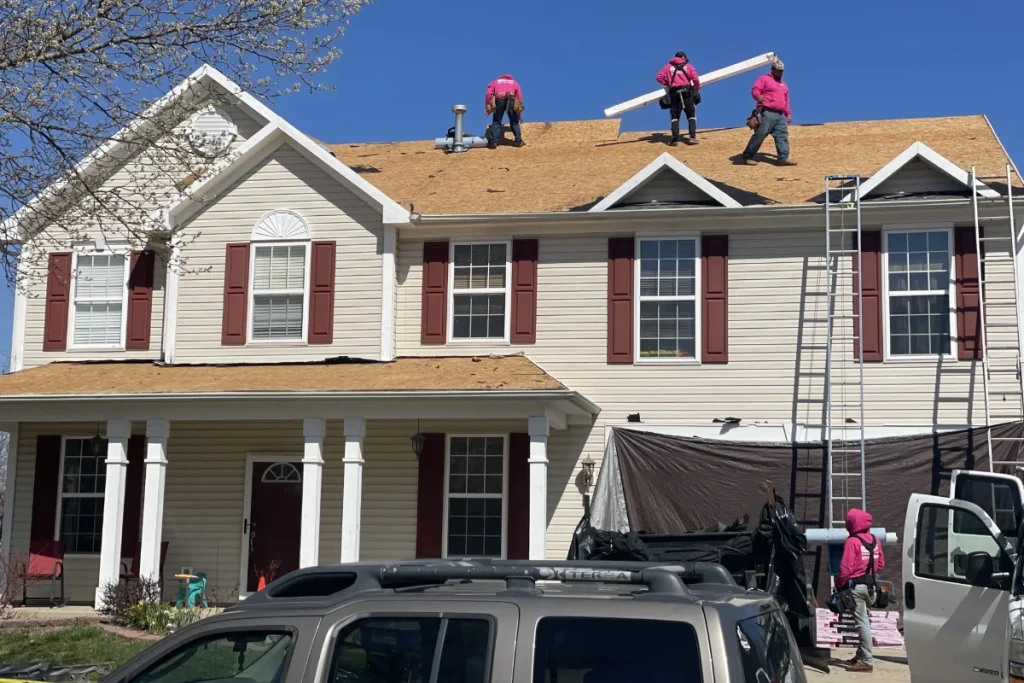
Roofing crew in bright pink shirts working on a full tear-off and roof decking repair on a two-story home with light siding and dark brown shutters.

None of this is designed to rush you toward a decision. If anything, the opposite: the homeowners who end up satisfied with a roof project are almost always the ones who understood their options before a single contractor showed up to give a quote, not after.

Why This Decision Deserves Real Research

Hamilton County and the northern Indianapolis suburbs, Westfield, Carmel, Noblesville, Zionsville, Fishers, and the surrounding communities, have seen consistently high rates of new residential development over the past two decades. That growth is good for home values, but it also means a crowded field of roofing contractors competing for the same jobs, with wildly inconsistent quality and pricing behind similar-sounding pitches.

That makes independent research more valuable here than in a market with fewer options. A homeowner who understands roof lifespans, material trade-offs, financing structures, and what actually drives cost is in a far better position to evaluate a proposal on its merits, rather than on how confident the salesperson sounded.

What This Guide Covers

  • When a repair is enough, and when it’s just delaying an inevitable replacement
  • What drives roof replacement cost, with real ranges instead of a single number
  • How siding and exterior materials fit into a roof project, and what’s worth paying more for
  • The financing paths available and how each one affects the total project cost
  • What a new roof is actually worth, at resale and in daily life

When to Replace vs. Repair Your Roof

How Roof Age Changes the Calculation

Every roofing material has a rated lifespan, and that number matters more than most homeowners realize when a repair decision comes up. Our asphalt roof lifespan breakdown goes deeper into what shortens or extends these ranges in practice.

MaterialTypical LifespanWhen Repairs Stop Making Sense
Asphalt shingles (3-tab)15-20 yearsPast year 15, most repairs are treating symptoms of general wear
Architectural (dimensional) shingles25-30 yearsPast year 20-22, isolated repairs become less cost-effective
Metal roofing40-70 yearsRepairs remain cost-effective well beyond the point where shingle roofs would need replacement

A roof at year 8 with isolated storm damage is a very different situation than a roof at year 22 with the same damage. The first is almost certainly a repair. The second is a roof that was likely heading toward replacement within a few years, regardless, and the current damage is simply the reason the conversation is happening now instead of later.

Our residential roof repair service covers this kind of targeted repair work in more detail, including what a typical repair visit involves.

Signs a Repair Is the Right Call

  • A small, defined number of shingles are missing, cracked, or lifted following a storm, and the surrounding field of shingles is otherwise intact
  • A leak traces to one identifiable point, most often flashing around a chimney, skylight, or vent stack, rather than showing up in multiple locations
  • The roof is under roughly 60 percent of its rated lifespan and has had reasonably consistent maintenance
  • Granule loss and wear are confined to a single slope or section, not spread across the whole roof
  • A recent inspection found the decking underneath to be sound, with no signs of moisture intrusion

Signs Replacement Is the More Sound Investment

  • The roof has passed, or is within a few years of, its material’s expected lifespan
  • You’ve paid for two or more repairs addressing similar symptoms within the past three to five years
  • Granule loss, curling, or cracking shingles appear across multiple slopes rather than one isolated area
  • An inspection finds deck damage, not just surface-level shingle wear, underneath the existing roof
  • A home inspection tied to a sale, refinance, or insurance renewal has flagged the roof’s age or condition

The Real Cost of Repeated Repairs

A single, well-targeted repair is a fraction of the cost of full replacement, and in the right circumstances, it’s clearly the right call. The math changes when repairs become a pattern rather than a one-time event.

Consider a roof in year 17 of a 20-year-rated asphalt shingle system. A repair after a storm addresses the immediate damage but doesn’t reset the clock on the rest of the roof, which is still aging at the same rate everywhere else. If that same roof needs a second repair 18 months later, and a third the year after that, the homeowner has now paid for three service calls without ever getting the benefit of a full, new roof, warranty included. At that point, the repairs have functioned as an expensive, incomplete down payment on a replacement that was coming anyway.

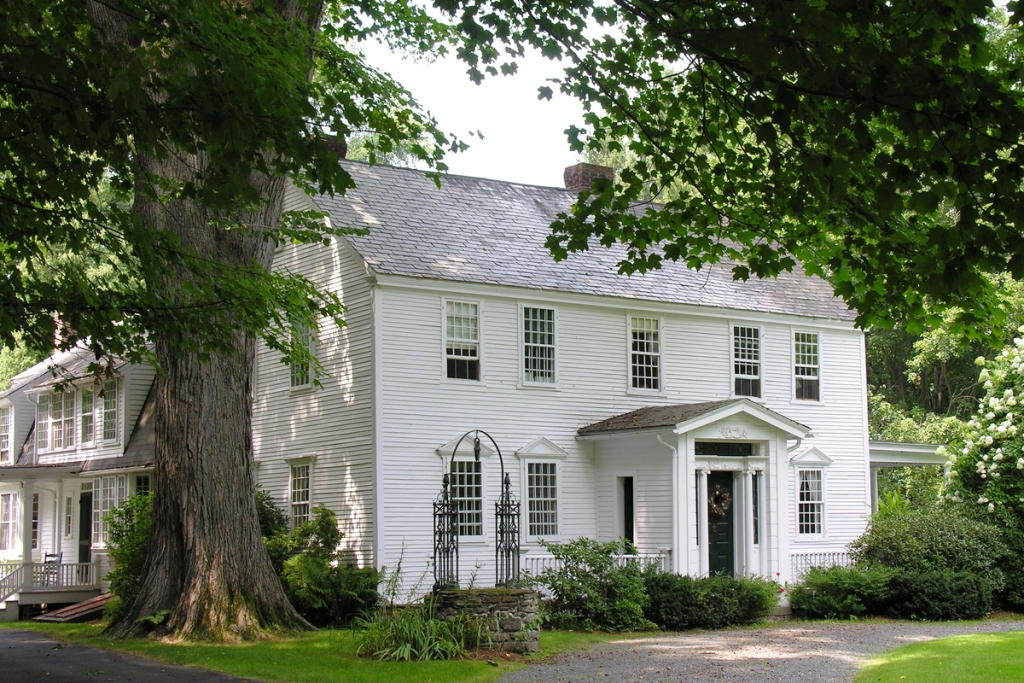
Historic white two-story house with an aged-looking shingle roof.

What an Inspection Actually Adds

A proper roof inspection looks past the visible shingle layer. It should include an assessment of the decking underneath, the condition of flashing at every penetration point, attic ventilation, and any signs of moisture that haven’t yet made it through to a visible interior leak. A homeowner comparing a repair quote to a replacement quote should be getting this level of detail from both, not a surface-level look that only confirms what’s already obvious from the ground.

If you want a framework for walking through this decision on your own roof, our repair-or-replace decision guide breaks down the specific factors an inspector checks, our roof inspection checklist walks through what a thorough inspection should cover point by point, and our roof repair cost breakdown gives a realistic sense of what a targeted repair runs, so you have real numbers on both sides of the comparison rather than a guess.

What Roof Replacement Actually Costs

The Primary Cost Drivers

Roof size

Roofing is priced by the square, a roofing-industry unit equal to 100 square feet of roof surface. A larger footprint means more material and more labor hours, and it scales close to linearly for straightforward roof shapes.

Roof complexity

Two roofs with an identical square footage can cost meaningfully different amounts depending on pitch and shape. Steep slopes require additional safety equipment and slow down installation. Multiple valleys, dormers, skylights, and chimneys all add cutting, flashing, and sealing work that a basic gable roof doesn’t require.

Material choice

Asphalt shingles remain the most common and most accessible option in terms of cost. Architectural shingles cost more than basic 3-tab shingles but come with a longer rated lifespan and a heavier, more dimensional appearance. Metal roofing carries the highest upfront cost of the common options, offset by a lifespan that can run two to three times longer than an asphalt system.

Tear-off scope

Removing the existing roof down to the deck adds labor and disposal costs compared to installing over an existing layer, where local code allows it. Most reputable contractors recommend a full tear-off regardless, since it’s the only way to properly inspect and address the decking underneath.

Deck condition

If the decking underneath the shingles has moisture damage, rot, or structural issues, that repair gets priced separately from the roofing work itself, and it’s not knowable with certainty until the old roof comes off.

Ventilation and code requirements

Local building codes in Hamilton County and its surrounding municipalities may require updated ventilation, ice-and-water shield in specific areas, or other code-driven additions that weren’t part of the original roof.

Warranty tier

A basic manufacturer’s warranty is typically included in the material cost. Extended warranties, covering a longer window or adding workmanship coverage from the installer, usually carry an additional cost in exchange for that extended protection.

Why We Don’t Quote a Single Number Up Front

Any number given without seeing the roof in person would need enough caveats attached to make it functionally meaningless. Instead, an in-person estimate walks the actual roof, measures the actual square footage and pitch, checks the actual decking condition where visible, and accounts for the actual material you’re choosing. That turns into a written, itemized proposal that separates labor, materials, tear-off, any deck repair, and warranty tier into distinct line items, so you can see exactly what’s driving the total instead of one number with no explanation behind it.

Thinking in Cost Per Year, Not Just Sticker Price

The most useful way to compare two different quotes, or two different material choices, isn’t the upfront number alone. It’s the cost divided by expected years of service. A roof that costs more upfront but is rated for a meaningfully longer lifespan, or that comes backed by a stronger workmanship warranty, can work out to a lower cost per year of use than a cheaper option that needs earlier attention or carries weaker coverage. That framing matters more to the long-term math than which quote has the smaller number on day one.

Understanding Warranty Tiers in a Quote

Most quotes include a baseline manufacturer warranty on materials, which is typically standard and included in the material cost itself. Above that baseline, two additional tiers commonly show up in proposals: an extended manufacturer warranty, which lengthens the coverage window on materials, and a workmanship warranty from the installer, which covers issues tied to the installation itself rather than a defect in the shingles or underlayment. These aren’t interchangeable. A homeowner comparing two quotes with a similar bottom-line total should look closely at which warranty tiers are included, since a lower price paired with a shorter or thinner warranty isn’t necessarily the better value once the full picture is accounted for.

Getting Quotes You Can Actually Compare

When you’re collecting multiple quotes, the most useful comparison isn’t the bottom-line total; it’s whether each contractor is quoting the same scope of work. A quote that’s meaningfully lower than the others is worth a second look at what it excludes: full tear-off, deck inspection, ventilation upgrades, and warranty terms are all places where scope can quietly shrink to hit a lower number. A detailed, itemized proposal makes that comparison possible. A one-line total does not.

Exterior Materials and Siding

Why Roof and Siding Timing Often Line Up

A new roof paired with aging or damaged siding still leaves meaningful gaps in your home’s exterior protection. Beyond the performance argument, there’s a practical one: scaffolding, permitting, and project coordination often get priced and scheduled more efficiently when a contractor is handling both systems in the same project window, rather than mobilizing twice for two separate jobs months apart.

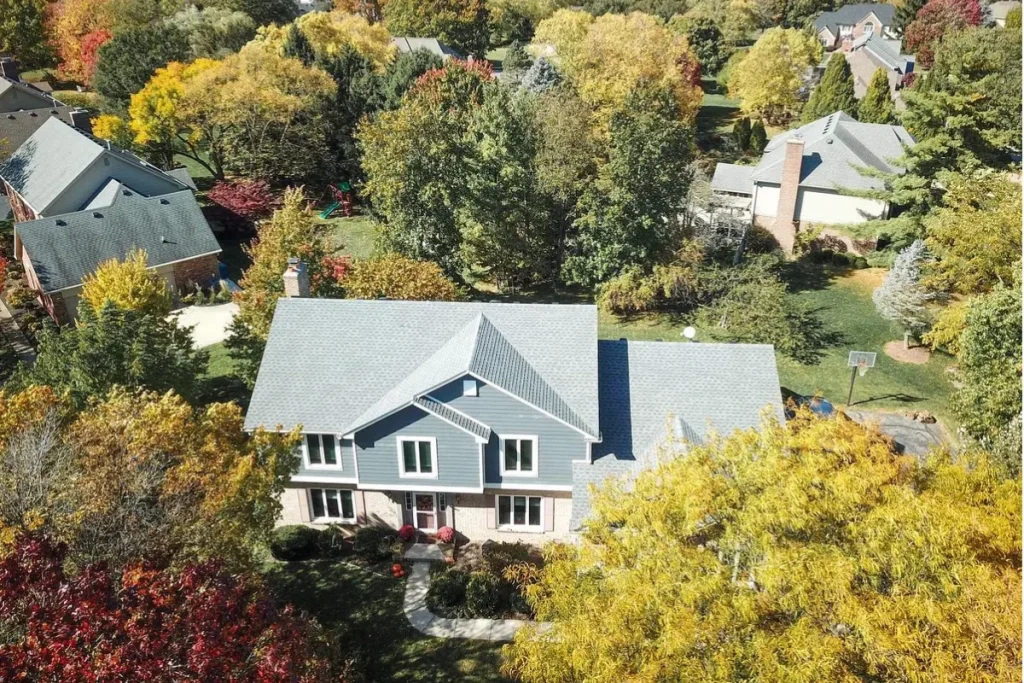
Aerial view of a suburban two-story house with a newly replaced gray shingle roof and blue exterior siding, surrounded by autumn trees.

Vinyl Siding

Vinyl remains one of the most common exterior siding choices, and for good reason. It’s a durable, low-maintenance material that holds up well against the freeze-thaw cycles and seasonal shifts typical of this region, and it comes in a wide enough range of colors and profiles to fit most architectural styles. Installed correctly, with proper fastening and moisture-barrier placement, it’s a genuinely solid, practical choice, not a compromise option.

Vinyl’s main advantage is cost: it typically carries a lower installed price per square foot than fiber cement, which makes it an accessible option for homeowners prioritizing durability-per-dollar over the longest possible service life.

James Hardie Fiber Cement Siding

Fiber cement siding, and James Hardie’s product line specifically, is engineered for a different durability profile than vinyl. It’s independently tested for impact damage, moisture intrusion, and pest resistance, and it holds paint and color over time without the warping or fading that can affect vinyl in direct, sustained sun exposure. That durability comes at a higher upfront material and installation cost than vinyl, but it’s reflected in a meaningfully longer service life and less frequent need for replacement or major repair.

There’s also a practical advantage worth naming directly for homeowners in an HOA or subject to architectural review: fiber cement’s clean, uniform, low-maintenance appearance tends to move through approval processes more smoothly than more unusual exterior materials, since it reads as a like-for-like upgrade to what’s already standard in your neighborhood rather than a departure from it.

Why Installation Quality Matters as Much as the Product

Whichever material you choose, a manufacturer-certified installer follows the specific fastening patterns, spacing, and moisture-barrier requirements that keep the manufacturer’s warranty terms intact. Skipping those specifics to save time on a job voids protections you’re paying for, either way, whether or not a problem ever surfaces. It’s a fair, direct question to ask any contractor: is this siding being installed to spec, by a certified installer, or just “how we usually do it”? The answer affects what’s actually covered if something goes wrong five or ten years down the line. Our James Hardie installation walkthrough covers exactly what that process should look like, and our guide to vetting a siding installer lists the certification and licensing questions worth asking before signing anything.

Comparing the Two Directly

FactorVinyl SidingJames Hardie Fiber Cement
Upfront costLowerHigher
Impact and moisture resistanceGoodVery good
Color and finish retentionGood, can fade in direct sun over timeVery good, holds paint longer
HOA/architectural reviewCase by caseOften smoother due to uniform appearance
Typical service lifeLongLonger

For a full breakdown of vinyl, James Hardie, and other siding materials side by side, see our best siding comparison, and for a closer look specifically at Hardie board versus vinyl, including durability, maintenance, and resale factors, see our Hardie board vs. vinyl comparison. Our siding services page covers cost ranges and what installation actually involves for each material.

Financing a Roof Replacement

The Financing Paths Available

In-house financing. Offered directly through the roofing contractor, often with flexible payment options and a promotional period with favorable terms. This path usually has the fastest approval process since it’s built into the same conversation as the project itself.

Third-party lender financing

Arranged through a lending partner the contractor works with. This typically involves a credit check and results in a fixed monthly payment over a set term, similar to any other installment loan.

Home equity loans or lines of credit

For homeowners with meaningful equity built up, this path can offer a lower interest rate than contractor or third-party financing, since the loan is secured against the home itself. It comes with more paperwork and a longer approval timeline than in-house options.

Paying in cash

Avoids financing costs entirely, since there’s no interest to pay over time. The trade-off is that the full project cost comes out of savings or investments at once, rather than being spread over a period of months or years.

What Qualifies a Homeowner

Qualification varies by financing type and lender, but most paths look at some combination of credit history, income, and, for home equity options, the amount of equity already built up in the home. None of these paths requires a decision on the spot, and a written estimate gives you the actual numbers needed to compare financing terms against paying outright, on your own timeline and with no pressure to decide today.

How Financing Affects Total Project Cost

Any financed purchase involves paying some amount of interest over the life of the loan, which means the total amount paid over time will be higher than the sticker price of the project. That’s a straightforward trade-off, not a hidden cost: what you’re paying for is the ability to spread a large expense into a manageable monthly payment instead of paying the full amount upfront. Whether that trade-off makes sense depends on your own financial priorities, including what else that upfront cash might otherwise be doing, whether that’s sitting in an emergency fund, contributing to retirement accounts, or covering other planned expenses.

Matching the Path to the Situation

A homeowner with significant home equity and a longer time horizon might find that a home equity line of credit offers the lowest overall cost, even with a longer approval process. A homeowner who wants the project done on a faster timeline, without touching home equity, might prefer in-house or third-party financing, even at a somewhat higher rate, in exchange for speed and simplicity. A homeowner who would rather avoid financing costs altogether and has the liquidity to do so might reasonably choose to pay in cash. None of these is the objectively correct answer for every homeowner. The right one is whichever offers financing that fits your budget and your own financial picture.

Comparing the Paths at a Glance

Financing PathApproval SpeedTypical Rate PositionBest Fit For
In-house financingFastestOften promotional, time-limited termsHomeowners who want speed and simplicity
Third-party lenderModerateSet by lender, based on creditHomeowners who want to compare rates directly
Home equity loan/lineSlowestOften the lowest available rateHomeowners with built-up equity and a longer horizon
CashImmediateNo financing costHomeowners prioritizing zero interest over liquidity

None of these paths is inherently better. Each one trades speed, rate, and liquidity against each other differently, and the right fit depends on what you’re optimizing for.

Our full financing guide walks through each of these paths in more detail, including what qualifies a homeowner for each option and how the choice affects the total project cost over time.

What a New Roof Is Worth

Resale Value

A new roof is consistently one of the exterior improvements that recoups a meaningful share of its cost at the point of sale. The reason is straightforward: an aging or damaged roof is one of the most common issues flagged in a home inspection, and it’s the kind of finding that can stall a sale, trigger a price renegotiation, or scare off a buyer entirely. A roof with recent, documented, warrantied work protects your investment by removing that concern before it ever comes up.

The exact return on that investment varies by local market conditions, the roof’s age and condition relative to comparable homes, and the specific material and warranty involved, so it’s more accurate and more useful to think in terms of a return range tied to your specific home and project than a single guaranteed number that would apply the same way to every roof in every market.

What a Roof Warranty Actually Protects

A roof replacement backed by a warranty, with clear, well-understood manufacturer warranty terms, adds a second layer of protection on top of the investment itself. That means knowing specifically what’s covered, materials, workmanship, or both, for how long, and by whom, the manufacturer or the installer. It also means understanding what would void that coverage, since improper maintenance or unauthorized repairs by a different contractor can sometimes affect warranty standing. This is worth asking about directly and getting in writing, not assuming based on a general description of “warranty included.” Our full roof warranty breakdown covers what’s typically protected, what’s not, and what can void coverage.

The Value That Isn’t on a Spreadsheet

Beyond resale, a roof in good condition protects everything and everyone underneath it: your home’s structure, your belongings, and the day-to-day comfort of the people living there. It’s one of the more direct ways to keep your household safe from the kind of slow, cumulative damage that an aging roof can cause without much warning. That’s a harder figure to quantify, but it’s often the more immediate, tangible reason homeowners move forward with a replacement. A roof that’s doing its job quietly in the background during heavy rain or a hard freeze is one less thing to think about, and one less risk to the rest of the home if something goes wrong with an aging system.

For growing families in particular, this isn’t an abstract point. A roof in poor condition is a maintenance liability that tends to surface at inconvenient times, and a roof replacement handled proactively, on your own schedule, is a meaningfully different experience than one forced by an active leak during a storm. If you’re weighing how a project affects your household day to day, our guide to staying home during a roof replacement walks through what daily life on-site actually looks like for the people living in the home.

Looking at the Full Picture

Between resale value, warranty-backed protection, and the ongoing value of a well-maintained exterior, a roof replacement is best evaluated as a long-term investment in the home rather than a single transactional cost. That’s the frame this entire guide has been building toward: understanding what drives the price, what your material and financing choices actually mean for the outcome, and what the investment returns, so that by the time you’re comparing real quotes, you’re doing it with a full picture rather than a guess.

For a deeper look at how roof age and condition specifically affect resale value, and what buyers and appraisers tend to weigh most heavily, see our full home value breakdown.

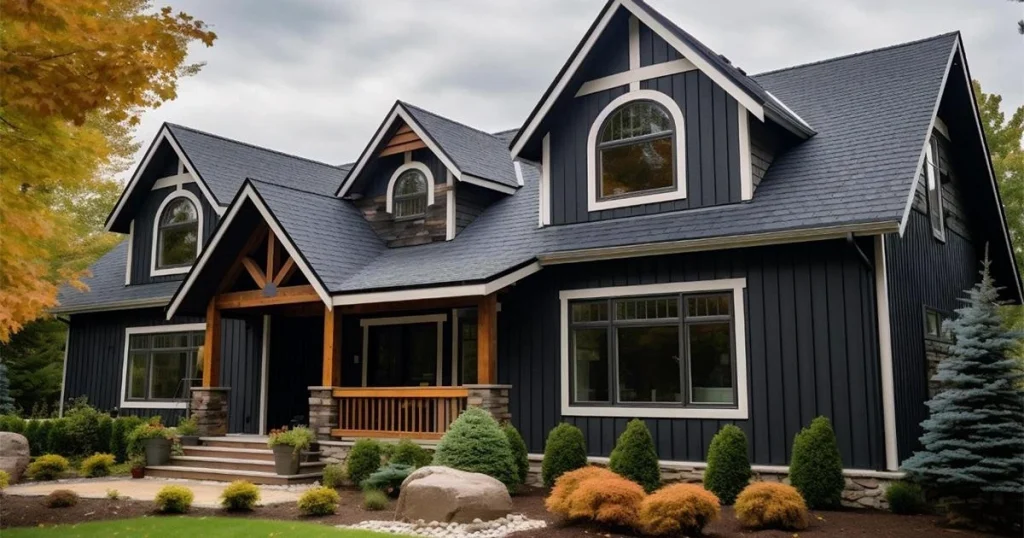
Exterior view of a modern two-story home featuring dark charcoal vertical siding, wood porch accents, and a newly installed black asphalt shingle roof.

The OpenBox Process

Step 1: Inspection and Written Proposal

The process starts with an in-person inspection, walking the roof itself rather than estimating from the ground or from photos. That inspection covers square footage, pitch, existing material condition, visible decking issues, ventilation, and flashing at every penetration point. From there, you receive a written, itemized proposal, broken out by labor, materials, tear-off, any deck repair, and warranty tier, so you can review it on your own schedule rather than deciding on the spot.

Step 2: Material Selection and Scheduling

Once you’ve chosen a material and, if applicable, a financing path, the project moves to scheduling. Material lead times vary by product and by season, and you’ll get a specific installation window rather than a vague estimate, along with a point of contact for any questions that come up before the crew arrives.

Step 3: Tear-Off and Deck Inspection

On installation day, the existing roof comes off down to the deck. This is the point where any hidden deck damage becomes visible, and it’s handled as a distinct, itemized decision rather than an unexplained addition to the bill: if repair is needed, you’re told what was found and what it costs before the work proceeds.

Step 4: Installation to Manufacturer Specification

New underlayment, flashing, ventilation components, and the roofing material itself go on according to the manufacturer’s specified installation requirements, which is what keeps material warranties valid. This is also the stage where siding work, if it’s part of the same project, typically runs in parallel or immediately follows, depending on scheduling.

Step 5: Final Walkthrough and Cleanup

The completed roof gets a final walkthrough, covering the finished work and confirming everything matches the original proposal. Site cleanup, including a magnetic sweep for stray nails and full debris removal, happens before the crew leaves. Warranty paperwork, covering both manufacturer and workmanship terms, gets provided in writing at this stage, not promised verbally and left for you to track down later.

Most full roof replacements are completed within one to a few days on-site, depending on size and complexity, though the full process from initial inspection to completed installation typically spans a few weeks once scheduling and material lead times are factored in. Our detailed timeline breakdown covers what affects that window day by day, and you can find a fuller walkthrough of what to expect at each stage, along with how we handle communication throughout, on our process page.

Before You Sign: What to Ask

By the time you’re comparing final proposals, you’ve already worked through material choice, financing, and what the investment is worth. A few direct questions at the proposal stage help confirm that the number in front of you actually reflects everything covered in this guide.

  • Does this proposal include a full tear-off or installation over the existing layer? These are not interchangeable, and the difference affects both cost and the ability to inspect the decking underneath.
  • What specifically is covered under the warranty, for how long, and by whom? Get this in writing, broken out by materials and workmanship separately, rather than a single line that says “warranty included.”
  • Is the installer manufacturer-certified for the specific material being installed? This affects whether the manufacturer’s warranty terms apply at all if something goes wrong later.
  • What happens if deck damage is found once the old roof comes off? A clear answer here, spelled out before work starts, prevents surprise costs mid-project.
  • What’s the realistic timeline, from signing to completed installation? Material lead times and scheduling windows vary, and a specific answer is more useful than a general one.

A contractor who answers these questions clearly and in writing, without hesitation, is giving you the same kind of transparency this guide has been built around. That’s a more reliable signal than any single number on the page.

Frequently Asked Questions

How long does a roof replacement take?

Installation itself is typically completed within one to a few days on-site, depending on roof size and complexity. The full timeline from inspection to completed installation, including scheduling and material lead time, usually runs a few weeks. See our full timeline breakdown for what affects that window.

Is it cheaper to repair my roof instead of replacing it?

A single, well-targeted repair costs less upfront than a full replacement. Whether it’s the better financial choice over time depends on your roof’s age and how often you’ve needed repairs already. A roof requiring its second or third repair in a few years often costs more in the aggregate than a full replacement would have, without the benefit of a new warranty.

What’s the difference between vinyl and James Hardie siding?

Vinyl siding costs less upfront and performs well for most homeowners. James Hardie fiber cement costs more but offers stronger impact and moisture resistance, better long-term color retention, and, for homes subject to HOA or architectural review, a uniform appearance that tends to move through approval more smoothly. Our Hardie board vs. vinyl comparison covers the full breakdown, and our vinyl siding cost guide covers what installation costs for vinyl specifically.

Do I need to replace my roof and siding at the same time?

No, but there are practical advantages to coordinating the two projects, since scaffolding, permitting, and scheduling are often more efficient when handled together rather than as two separate mobilizations months apart.

What are the financing options for a roof replacement?

Options generally include in-house contractor financing, third-party lender financing, home equity loans or lines of credit, and paying in cash. Each has different trade-offs in approval speed, rate, and how it affects your liquidity. Our financing guide walks through each option and what qualifies a homeowner for it.

Does a new roof actually increase home value?

A new roof consistently recoups a meaningful share of its cost at resale, largely because it removes a common inspection concern for buyers. The exact return depends on your local market and the specific project, which our home value guide covers in more depth, including how appraisers and buyers typically weigh roof age and condition.

What voids a roof warranty?

Warranty terms vary by manufacturer and installer, but common issues include improper maintenance, unauthorized repairs by a different contractor, and installation that doesn’t follow the manufacturer’s specified requirements. It’s worth getting warranty terms in writing and understanding exactly what’s covered before work begins, not assuming based on a general description.

How much does a roof replacement typically cost?

Cost depends on roof size, pitch, and complexity; material choice; tear-off scope; deck condition; and warranty tier, which is why an accurate number requires an in-person inspection rather than an estimate over the phone. A written, itemized proposal breaks these factors out individually so you can see exactly what’s driving the total.

Can I get a roof inspection without committing to a repair or replacement?

Yes. An inspection is a separate step from deciding what to do about the findings. A thorough inspection covers the shingle layer, decking, flashing, and ventilation, and gives you the information needed to make the replace-or-repair decision on your own terms, with no obligation attached to scheduling the inspection itself.

This guide is written for homeowners across Hamilton County and the northern Indianapolis suburbs, including Westfield, Carmel, Noblesville, Zionsville, Fishers, Greenwood, and the surrounding communities served by our entire service area. For a closer look at the full roof replacement process step by step, visit our replacement services page.

Metal roofs are becoming increasingly popular among homeowners due to their durability, energy efficiency, and sleek aesthetic appeal. However, like any other roofing material, they are susceptible to damage and require maintenance.

If you’re a homeowner dealing with issues related to your metal roof, this comprehensive guide will walk you through everything you need to know about metal roof repair including:

Common Signs of Metal Roof Damage

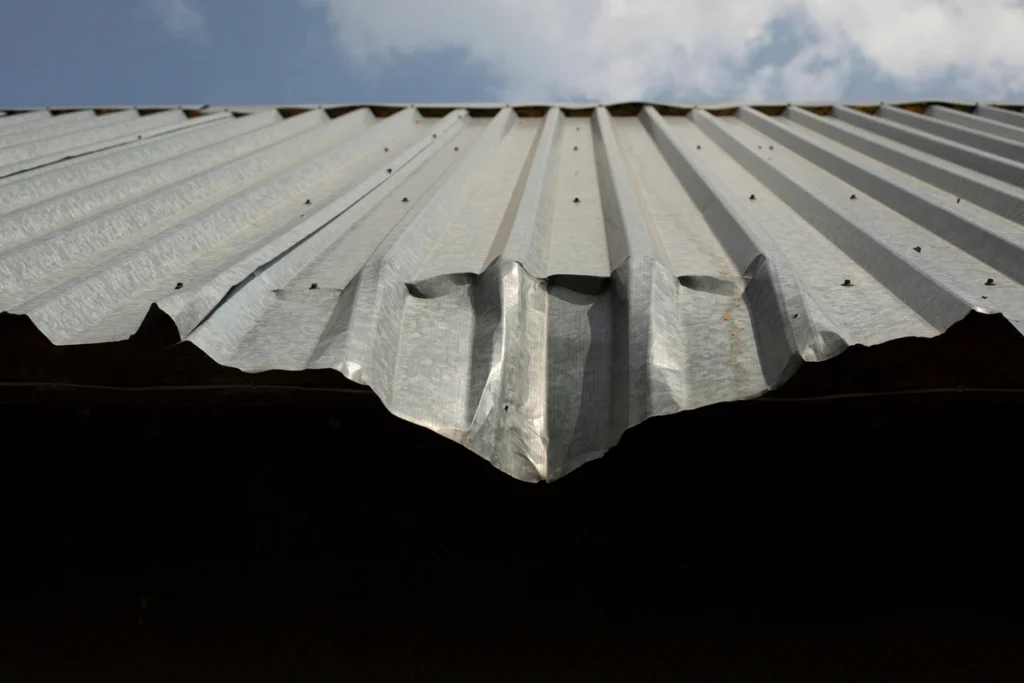
metal roof damage

Recognizing the signs of metal roof damage early can save you from more extensive and costly repairs in the future. Here are some common indicators that your metal roof might need attention:

  • Leaks and Water Stains: One of the most obvious signs of metal roof damage is water leaks. If you notice water stains on your ceiling or walls, it might be due to a leak in your metal roof. Leaks can result from various issues like loose seams, damaged flashing, or punctures in the roofing material.
  • Rust and Corrosion: While metal roofs are designed to resist rust, prolonged exposure to moisture can cause corrosion over time. Look for any rusty patches or discoloration on the metal panels. Rust can weaken the structural integrity of your roof and should be addressed promptly.
  • Loose or Missing Fasteners: Fasteners hold the metal panels in place. Over time, these fasteners can become loose or go missing due to weathering or improper installation. Loose fasteners can cause the panels to shift, leading to potential leaks and other issues.
  • Dents and Dings: Hailstorms, falling branches, or even heavy foot traffic can cause dents and dings in your metal roof. While minor dents may not pose an immediate threat, they can compromise the roof’s appearance and, in some cases, affect its performance.
  • Sagging Rooflines: If your metal roof appears to be sagging, it could indicate a more serious structural issue. This might be due to damage to the underlying support structure or excessive weight on the roof. Sagging should be inspected and repaired by a professional immediately.

What Causes Metal Roof Damage?

Understanding the causes of metal roof damage can help you take preventative measures and maintain the longevity of your roof. Here are some common culprits:

Weather Conditions

Extreme weather conditions such as hail, heavy snow, and strong winds can take a toll on your metal roof. Hail can create dents, snow can add excessive weight, and strong winds can lift and displace panels.

Poor Installation

Improper installation is a leading cause of metal roof damage. If the panels are not secured correctly, it can lead to issues like leaks, loose panels, and premature aging of the roof. Always ensure that your roof is installed by experienced professionals.

Lack of Maintenance

Neglecting regular maintenance can lead to various problems. Leaves, debris, and standing water can accumulate on the roof, causing rust and corrosion. Regular cleaning and inspection can prevent these issues.

Foot Traffic

Walking on your metal roof can cause dents and damage, especially if you are not careful. Using proper walkways and limiting foot traffic can help preserve the roof’s integrity.

Aging and Wear

Over time, even the most durable materials can show signs of wear and tear. Metal roofs have a long lifespan, but they are not immune to aging. Regular inspections can help catch age-related issues early.

How to Repair a Metal Roof in 4 Steps

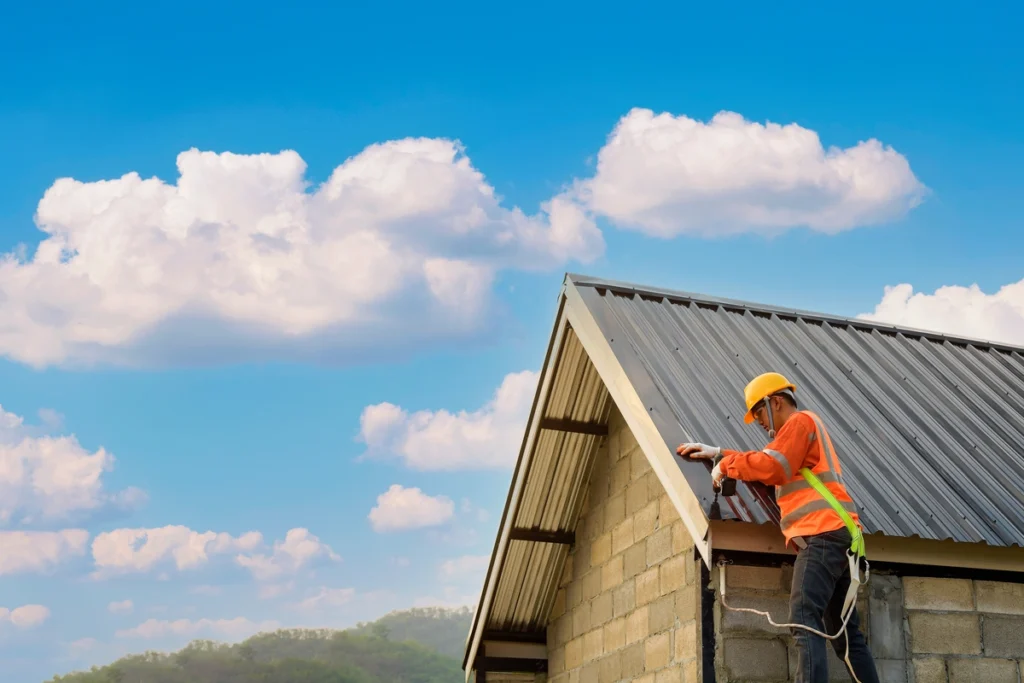
repairs and sky

When it comes to metal roof repair, there are several steps you can take to address common issues. While some minor repairs can be handled by homeowners, others might require professional assistance.

1) Patching Leaks and Holes

To patch a leak or hole in your metal roof, you’ll need a metal patch, roofing sealant, and some basic tools. Here’s a step-by-step guide:

  • Identify the Source: Locate the exact source of the leak or hole.
  • Clean the Area: Clean the damaged area thoroughly to ensure the patch adheres properly.
  • Cut the Patch: Cut a piece of metal patch that extends at least 2 inches beyond the damaged area.
  • Apply Sealant: Apply a generous amount of roofing sealant around the damaged area.
  • Attach the Patch: Place the metal patch over the sealant and press down firmly.
  • Seal the Edges: Apply more sealant around the edges of the patch to create a watertight seal.

2) Tightening Loose Fasteners

If you notice loose fasteners, you can tighten them using a screwdriver or wrench. Be cautious not to overtighten, as this can strip the threads and cause more damage.

3) Replacing Damaged Panels

For more extensive damage, such as large dents or severely corroded areas, it might be necessary to replace the entire panel. This process involves:

  • Removing the Damaged Panel: Carefully remove the fasteners holding the damaged panel in place.
  • Preparing the New Panel: Cut the new panel to match the size and shape of the damaged one.
  • Installing the New Panel: Secure the new panel in place using appropriate fasteners and sealant.

4) Addressing Rust and Corrosion

If you notice rust or corrosion, use a wire brush or sandpaper to remove the affected areas. Apply a rust-resistant primer and touch-up paint to prevent further corrosion.

Why You Should Use a Professional

While some minor repairs can be DIY projects, there are several reasons why you should consider hiring a professional for metal roof repair:

Expertise and Experience

Professional roofers have the knowledge and experience to identify and address issues that you might overlook. They can provide a thorough inspection and recommend the best course of action.

Safety

Roof repair can be dangerous, especially if you are not familiar with working at heights. Professionals have the necessary safety equipment and training to perform the job safely.

Quality of Work

A professional repair job ensures that the repairs are done correctly and will last longer. Poorly executed DIY repairs can lead to more significant problems down the line.

Warranty

Many professional roofing companies offer warranties on their work. This means that if any issues arise after the repair, they will come back and fix them at no additional cost.

The Cost to Repair a Metal Roof

The cost of repairing a metal roof can vary depending on several factors, including the extent of the damage, the size of the roof, and the materials used. Here’s a general breakdown of potential costs:

  • Minor Repairs: Minor repairs, such as patching small holes or tightening loose fasteners, can cost between $200 to $500.
  • Moderate Repairs: Moderate repairs, such as replacing a few panels or addressing rust and corrosion, can range from $500 to $1,500.
  • Major Repairs: Major repairs, such as extensive panel replacement or addressing structural issues, can cost $1,500 and up.

Keep in mind that these are general estimates, and actual costs can vary. It’s always best to get a detailed quote from a reputable roofing contractor.

How to Take Care of Your Metal Roof

Proper maintenance can extend the lifespan of your metal roof and prevent costly repairs. Here are some tips for taking care of your metal roof:

Regular Inspections

Conduct regular inspections, especially after severe weather events. Look for signs of damage, such as loose fasteners, rust, and leaks.

Cleaning

Keep your roof clean by removing leaves, debris, and standing water. Use a soft-bristle brush and mild detergent to clean the surface of the panels.

Trim Overhanging Branches

Trim any branches that hang over your roof to prevent them from falling and causing damage. Overhanging branches can also drop leaves and debris that cause moisture buildup.

Address Issues Promptly

If you notice any signs of damage, address them promptly to prevent them from worsening. Early intervention can save you from more extensive repairs down the line.

Use Proper Footwear

If you need to walk on your roof, use soft-soled shoes to avoid causing dents and damage. Be cautious and limit foot traffic as much as possible.

Professional Maintenance

Consider scheduling professional maintenance at least once a year. A professional roofer can perform a thorough inspection and address any potential issues before they become significant problems.

Caring For Your Metal Roof System

A well-maintained metal roof can provide your home with durable protection and an attractive appearance for decades. However, while some minor repairs can be handled on your own, hiring a professional ensures that the job is done safely and correctly. Regular maintenance and prompt attention to issues can prevent costly repairs and extend the lifespan of your roof.

We’re here to take care of your metal roof systems! Contact our team of experienced roofing professionals at Open Box Roofing today to schedule an inspection and get a detailed quote. Our experts are here to help you maintain the integrity and beauty of your metal roof for years to come.

Owning a home is a significant investment, and maintaining its exterior is crucial for its longevity and curb appeal. One of the most important aspects of your home’s exterior is its siding.

Over time, however, siding can deteriorate, requiring repair or replacement. But what does it cost to repair siding? In this blog, we’ll explore everything you need to know about siding repair cost, helping you make informed decisions to protect your home’s value and appearance. We’ll go over:

  • Why repairing siding matters
  • Different siding materials
  • Cost averages

Why Siding Matters

Siding serves as your home’s first line of defense against the elements. It protects your home from:

  • Rain
  • Wind
  • Snow
  • Sun

It also provides insulation and contributes to the overall aesthetic appeal. Damaged or worn-out siding can lead to water infiltration, energy inefficiency, and decreased property value.

Common Types of Siding Materials

Before we dive into the costs, it’s important to understand the different types of siding materials available. Each type comes with its own set of advantages and price points:

Vinyl Siding

Vinyl siding is one of the most popular choices due to its affordability and low maintenance. It’s available in a wide range of colors and styles, making it versatile for various home designs. However, vinyl can crack or warp under extreme temperatures, necessitating repairs.

Wood Siding

Wood siding offers a classic, natural look that’s hard to beat. However, it requires regular maintenance to prevent rot, insect infestation, and weather damage. Repairing wood siding can be labor-intensive and costly, but the aesthetic appeal often justifies the expense.

Fiber Cement Siding

Fiber cement siding is known for its durability and resistance to fire, insects, and rot. It’s a more expensive option upfront but requires less maintenance over time. The cost of repairing fiber cement siding can be higher than vinyl but lower than wood.

Metal Siding

Metal siding, including aluminum and steel, is durable and low-maintenance. It’s resistant to fire, insects, and rot, making it a great choice for long-term durability. However, metal siding can dent or corrode, requiring occasional repairs.

Stucco Siding

Stucco siding is popular in regions with dry climates. It’s a versatile and attractive option but can crack over time due to settling or impact. Repairing stucco siding involves patching and refinishing, which can be labor-intensive.

6 Factors Affecting Siding Repair Costs

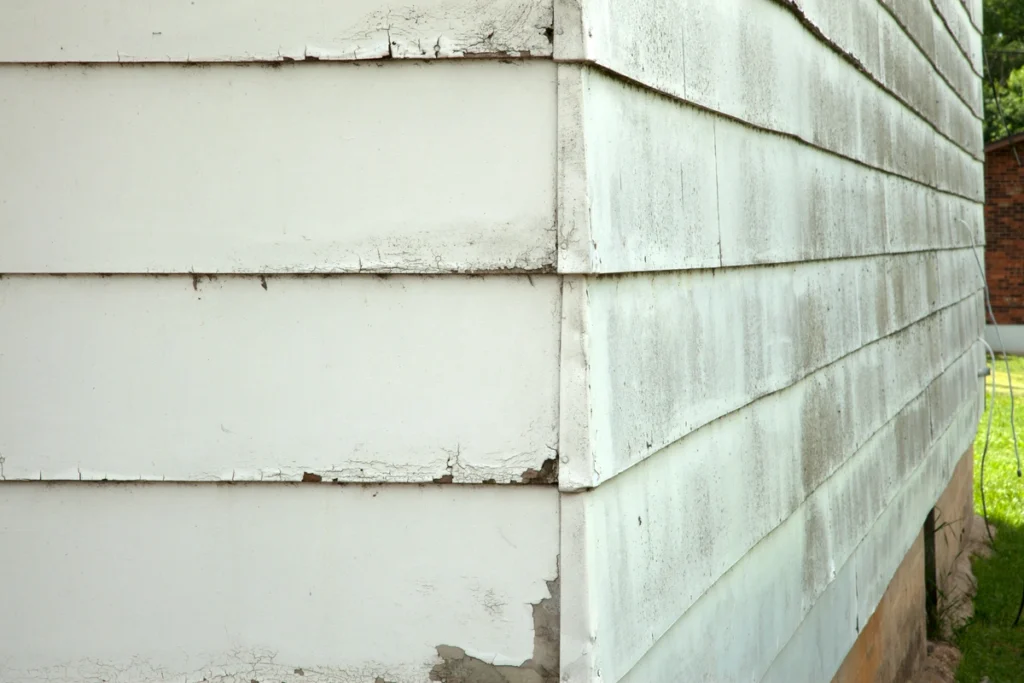
damaged siding

The cost of siding repair varies based on several factors. Understanding these factors will help you estimate the potential expenses for your specific situation:

1) Type of Siding Material

Different siding materials have different repair costs. For instance, repairing wood siding is generally more expensive than vinyl due to the material’s cost and the labor involved in matching and replacing wooden boards.

2) Extent of Damage

The extent of the damage plays a significant role in determining the repair cost. Minor cracks or holes may only require simple patching, while extensive damage might necessitate complete panel replacements.

3) Labor Costs

Labor costs can vary based on your location and the complexity of the repair. Urban areas with a higher cost of living typically have higher labor rates. Additionally, intricate repairs or hard-to-reach areas can increase labor costs.

4) Accessibility

The accessibility of the damaged area can impact the cost. If the damage is located in a high or difficult-to-reach spot, additional equipment and safety measures might be required, increasing the overall cost.

5) Removal and Disposal

If the damaged siding needs to be removed and disposed of, this can add to the cost. Some materials, like asbestos siding, require special handling and disposal, further raising expenses.

6) Permits and Inspections

Depending on your local regulations, you might need permits and inspections for siding repairs. These additional costs should be factored into your budget.

Average Siding Repair Costs by Material

Let’s break down the average costs for repairing different types of siding materials:

Vinyl Siding Repair Cost

Vinyl siding repair is usually the most affordable option:

  • Minor Repairs: $50 – $200
  • Moderate Repairs (replacing a few panels): $200 – $600
  • Extensive Repairs (large sections or multiple panels): $600 – $1,500

Wood Siding Repair Cost

Wood siding repair can be more expensive due to material and labor costs:

  • Minor Repairs (patching small areas): $100 – $300
  • Moderate Repairs (replacing boards): $300 – $1,000
  • Extensive Repairs (large sections or severe damage): $1,000 – $2,500 or more

Fiber Cement Siding Repair Cost

Fiber cement siding repair falls in the mid-range:

  • Minor Repairs (patching small areas): $100 – $300
  • Moderate Repairs (replacing boards): $300 – $1,200
  • Extensive Repairs (large sections or severe damage): $1,200 – $2,500

Metal Siding Repair Cost

Metal siding repair costs can vary:

  • Minor Repairs (denting or small patches): $100 – $400
  • Moderate Repairs (replacing panels): $400 – $1,200
  • Extensive Repairs (large sections or severe damage): $1,200 – $3,000

Stucco Siding Repair Cost

Stucco siding repair involves patching and refinishing:

  • Minor Repairs (small cracks or holes): $200 – $500
  • Moderate Repairs (larger cracks or sections): $500 – $1,500
  • Extensive Repairs (widespread damage): $1,500 – $4,000 or more

DIY vs. Professional Siding Repair

When it comes to siding repair, homeowners often face the decision of whether to tackle the repair themselves or hire a professional. Both options have their pros and cons:

DIY Siding Repair

Pros:

  • Cost Savings: DIY repairs can save money on labor costs.
  • Immediate Action: You can address minor issues promptly without waiting for a contractor.

Cons:

  • Skill and Experience Required: Siding repair requires specific skills and tools. Mistakes can lead to more extensive damage.
  • Time-Consuming: DIY repairs can be time-consuming, especially if you’re not experienced.

Professional Siding Repair

Pros:

  • Expertise and Quality: Professionals have the experience and tools to perform high-quality repairs.
  • Warranty and Insurance: Reputable contractors offer warranties and are insured, providing peace of mind.

Cons:

  • Higher Cost: Hiring a professional comes with labor costs, which can be significant.
  • Scheduling: You might need to wait for an available contractor, delaying the repair.

Tips for Reducing Siding Repair Costs

While siding repair costs can add up, there are ways to minimize expenses without compromising on quality:

Regular Maintenance

Regularly inspect your siding for signs of damage and address minor issues promptly. Preventative maintenance can prevent small problems from becoming costly repairs.

Choose Durable Materials

Invest in durable siding materials, even if they come with a higher upfront cost. High-quality materials require fewer repairs and last longer, saving you money in the long run.

Get Multiple Quotes

When hiring a professional, obtain quotes from multiple contractors. This allows you to compare prices and choose the best option for your budget.

Consider Partial Repairs

If the damage is localized, consider partial repairs instead of replacing entire sections. This can save you money while still addressing the issue.

Check for Rebates and Incentives

Some regions offer rebates or incentives for energy-efficient home improvements, including siding repairs. Check with local authorities to see if you qualify.

Let Us Repair Your Damaged Siding

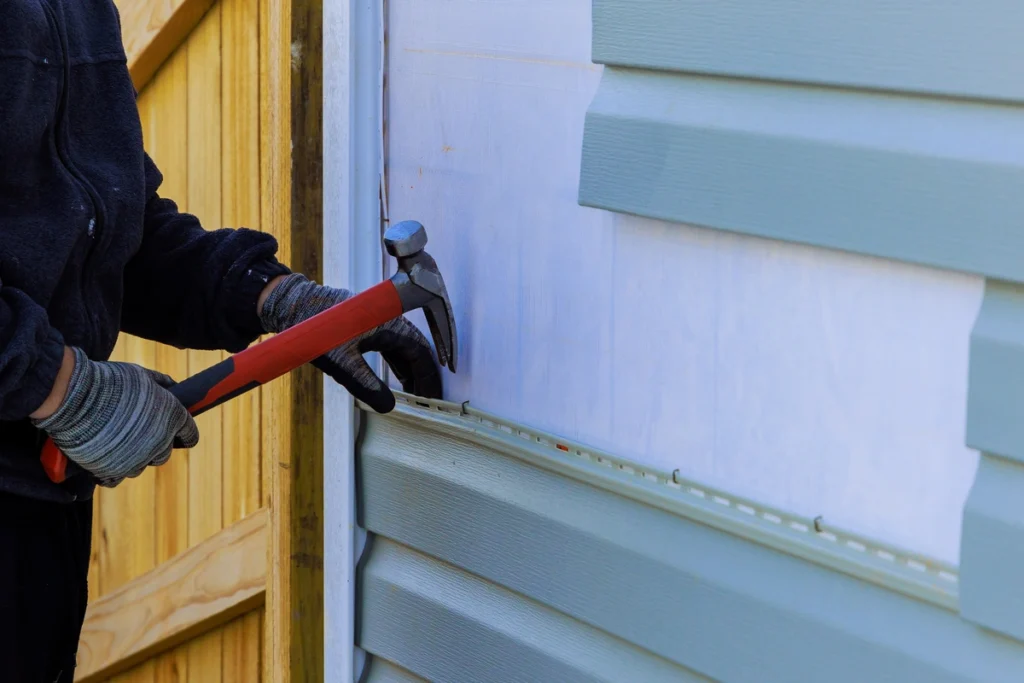
siding install

Siding repair is an essential aspect of home maintenance that should not be overlooked. Understanding the factors that influence siding repair costs and the average expenses for different materials can help you budget effectively and make informed decisions.

Ready to take the next step? Contact Open Box Roofing to assess your needs and provide a detailed estimate. We’ll protect your home and help you enjoy a beautiful, well-maintained exterior for years to come.


Don’t think, just call Pink!