Our Roofing Blog

Stay up to date on the latest roofing tips, trends, and insights from the experts at OpenBox Roofing. Our blog covers everything from seasonal maintenance to choosing the right materials for your home.

Whether you’re researching a new roof, learning about repairs, or exploring sustainability options, our articles make roofing information easy to understand.

Asset 1 7
Featured Article

3 Qualities to Look for When Hiring a James Hardie Siding Contractor

about us hoodie 150x150 1
Posted By: Openbox Roofing
Here at Open Box Roofing, we strongly believe that our customers deserve nothing less than the best. That’s why we’re proud to be a part of the James Hardie Contractor Alliance Program. James Hardie siding is on more than 8 million homes across North America because it’s the best fiber cement siding product on the market, […]
Asset 17

Imagine waking up in the middle of the night to the sound of pouring rain and realizing that water is seeping into your home through a damaged roof. Emergency roof repairs can be a nightmare for homeowners, but with proper knowledge and fast action, you can minimize damage and protect your investment.

In this comprehensive guide, we’ll walk you through the causes of roof damage, discuss warning signs, and explain the importance of immediate action. Then, we’ll teach you which steps to take when faced with an urgent situation and how to choose reliable professionals. Lastly, we’ll provide you with some mandatory precautions. So, let’s get started!

Understanding Roof Damage and its Causes

A homeowner’s worst nightmare is often discovering that their roof has been damaged severely. To take preventive measures and address issues more effectively when they arise, it is crucial to understand the common causes of roof damage. 

Inclement weather conditions like storms, heavy rains, hail, and high winds are among the most common culprits of roofing emergencies.

On another note, bear in mind that poor maintenance can also exacerbate existing weaknesses in your roofing system. Failing to inspect and clean gutters or remove debris from your roof can lead to water accumulation and ice dams in colder climates, which are potential sources of leaks and mold growth.

In some cases, human error can play a role, too. An improperly installed roof may be more susceptible to leaking since the materials were not properly sealed during construction.

Lastly, accidents like falling trees from a neighbor’s yard can also cause severe structural damage and require emergency roof repair services.

Signs You Need Emergency Roof Repair

Spotting the signs of a damaged roof early on can save homeowners from extensive repairs and costs. One common indication that emergency roof repair is necessary is missing or damaged shingles, which often result from strong winds or hail storms.

Another warning sign to look out for is water spots on ceilings and walls, which indicate a leaking roof. Additionally, if there are unexplained increases in your energy bills, it could be due to the poor insulation caused by hidden leaks or drafts.

We highly recommend periodically inspecting your attic and adding this habit to your home maintenance routine. Be sure to check for damp insulation materials and significant moisture buildup around vents, as both of these are telltale indicators that an emergency roofing intervention may be required sooner rather than later.

Importance of Immediate Action

worker inspecting the water leak on the ceiling holding damaged roof tiles

Acting fast in the face of a roofing emergency is crucial for several reasons. First and foremost, prompt action significantly minimizes the extent of damage to your home, helping you avoid costly repairs down the line.

Additionally, immediate action ensures that the insurance claim process runs smoothly. Remember that insurance companies typically require policyholders to take reasonable steps to mitigate further harm after an incident.

Lastly, early precautions protect against additional water entry into your home until a contractor completes the more permanent repairs.

Steps to Take for Emergency Roof Repair

If you’re dealing with a damaged roof, it’s essential to take action as soon as possible. Sometimes, emergency repairs can’t wait for a professional roofing contractor to arrive, making it necessary to use temporary fixes to protect your property as much as possible until the professionals come. 

One of the most practical DIY methods is placing a tarp over the affected area. That’s right! This tried-and-tested strategy prevents water from seeping in and causing additional damage.

Another DIY tip is to document everything before attempting any repairs. That means taking pictures or videos of the damaged area and noting what caused it and when it occurred.

Additionally, minor repairs, like filling in small holes or replacing missing shingles, can mitigate further damage until you gain access to professional help.

All in all, if you find yourself in need of emergency roof repair, remember that time is invaluable. For optimal results, don’t wait until it’s too late!

Choosing the Right Emergency Roofing Service

When it comes to emergency roof repair, choosing the right roofing service is vital. Not all roofing contractors offer 24-hour services, and not all of them specialize in emergency repairs, which are both factors you need to consider.

One way to ensure you choose the correct emergency roof repair service is by checking their reviews and ratings online. Look for testimonials from previous customers with similar experiences to understand better whether the service is right for you.

Moreover, choose a contractor who offers clear, detailed explanations of what work will be done and how much it will cost.

Overall, it’s essential to take time to choose an experienced, reliable emergency roofing service. This simple step can make all the difference in the world when it comes to the longevity of your roof.

Precautions to Take Before and After Emergency Repairs

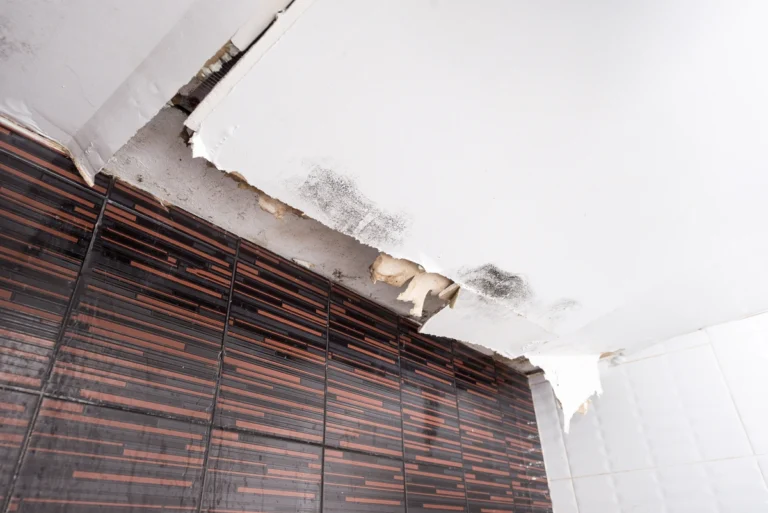
damage and water signs on the ceiling after rainy season

Before the emergency repairs, take note of the extent of the roof damage and document it with photos or videos. This can help your insurance company assess the damage for potential coverage and play a significant role in the long run.

Furthermore, it is crucial to check on any valuables in the attic or upper floors that the water leaks could damage.

After the emergency repairs, make sure to inspect your ceiling and walls for any water spots or mold growth, as these are clear signs of hidden damage from leaks.  Also, check the gutters and downspouts for debris buildup that may cause clogging during rainy seasons and lead to further damage.

By taking these precautions before and after emergency repair services, you can have peace of mind knowing that your property is safe and ensure maximum protection against future roofing emergencies.

Conclusion

In conclusion, having a faulty roof is dangerous and can cause significant damage to your home. To prevent further damage, it’s crucial to look out for warning signs and take immediate action.

Though DIY repairs are excellent for a temporary fix, it’s also vital to choose a good roofing contractor for professional, long-term repair. Be sure to take the correct precautions before and after the process to protect your property from future water damage and mold growth.

Remember: acting fast during an emergency roofing situation can be the ultimate game-changer, saving you significant time and money in the long run.

Contact OpenBox Roofing for Expert Emergency Roof Repair Services

Are you in need of a roofing professional for emergency roof repair? You’ve come to the right place! At OpenBox Roofing, the goal is to promptly and proficiently address your concerns and present expert solutions to immediate problems.

Contact OpenBox Roofing today to fix your roof and minimize significant damage! Our excellent roof inspection and repair services won’t let you down. That’s a promise.

Your roof is your home’s first line of defense against the elements, but it also takes quite a beating over time. This wear and tear can lead to depreciation and potential insurance concerns for homeowners like you.

To help protect your investment and navigate this often-complicated topic, we’ve compiled a comprehensive guide on everything you need to know about roof depreciation, insurance, and how to prepare for the roof replacement process.

From understanding how depreciation affects your coverage to choosing the right policy for your needs—this blog post will provide valuable information every homeowner should have in their arsenal.

Understanding Roof Depreciation

Roof depreciation is a crucial concept for homeowners to grasp, as it directly impacts insurance coverage and the overall value of your property. In essence, roof depreciation refers to the gradual decline in a roof’s worth over time due to age, wear and tear, exposure to weather elements like hail storms, or inadequate repairs.

To better understand how depreciation affects insurance claims and payouts for repairs or replacements on your rooftop, imagine if your new roof initially costs $15,000.

After ten years—given minimal damage along the way—its actual cash value would have decreased by around 40%, equating to only about $9,000 covered by specific policies under your insurance company should you need work done.

Another essential aspect of understanding roof depreciation involves differentiating between actual cash value (ACV) policies and replacement cost value (RCV) policies within insurance coverage options.

ACV policies generally take into account Depreciated amounts when paying out claims; hence you may be reimbursed merely up-to-the-minute value instead of what it will ultimately cost you to restore entirely or replace damaged components in question.

Types of Insurance Coverage for Roof Damage

homeowner couple reviewing their home insurance documents at home

As a homeowner, it’s essential to understand the different types of insurance coverage available for roof damage. There are three primary types of coverage: replacement cost value (RCV), actual cash value (ACV), and guaranteed replacement basis.

Replacement cost value policies cover the total cost to repair or replace your damaged roof with materials like kind and quality without accounting for depreciation. This factor means you can restore your roof to its pre-damage condition without worrying about additional out-of-pocket expenses.

On the other hand, actual cash value policies consider both the age and depreciation of your roof when determining payout amounts for claims. With ACV coverage, you’ll receive payment equaling what your damaged roof is worth in today’s market—factoring in wear and tear over time—less any deductible amount stated in your policy.

Lastly, a guaranteed replacement basis policy provides comprehensive protection beyond standard RCV or ACV policies by accounting for potential increases in construction material costs due to inflation or supply chain disruptions.

Recoverable Depreciation Explained

Recoverable depreciation is a critical concept for homeowners regarding insurance claims and payouts. Essentially, this term refers to the portion of your roof’s depreciation that your insurance company can reimburse after you make necessary repairs or replacements.

For example, let’s say a hail storm severely damages your roof, resulting in $15,000 worth of repair costs. After assessing the damage and considering the age and condition of your roof before the storm hit, your insurance company might determine that it has depreciated by 30%.

Understanding how recoverable depreciation works is crucial when navigating complex insurance processes, such as negotiating with contractors or deciding whether adequate coverage exists for major structural components like roofs.

Making a Home Insurance Claim for Roof Damage

Making an insurance claim can help you get the necessary repairs done in case of roof damage. However, it’s essential to understand that the amount you receive will depend on your insurance policy and the depreciated value of the roof.

If you have an actual cash value (ACV) policy, the reimbursement will be based on your roof’s worth at the time of damage, considering its age and condition.

Document all damages with photos and a written description to make a successful claim. Contact your insurance company immediately; they will send their adjuster to assess the situation.

When it comes time to file a claim for repair or replacement due to weather damage such as hail storms or wear-and-tear from insufficient maintenance practices over the years past, like not clearing snow off during winter months—this is where homeowners need expert advice! 

DIY Roof Inspections and Identifying Damage

Maintaining your roof can help prevent damage and potential depreciation, but it’s also essential to perform routine inspections. A quick visual review from the ground level can help identify missing or damaged shingles or tiles.

Use caution when climbing up for a closer look if you have a sloped roof.

However, remember that some damage may not be visible to the naked eye. Water leaks and moisture buildup can lead to mold growth and wood rot, which could significantly affect the structure of your home’s roofing system.

Choosing the Right Roof Insurance Coverage

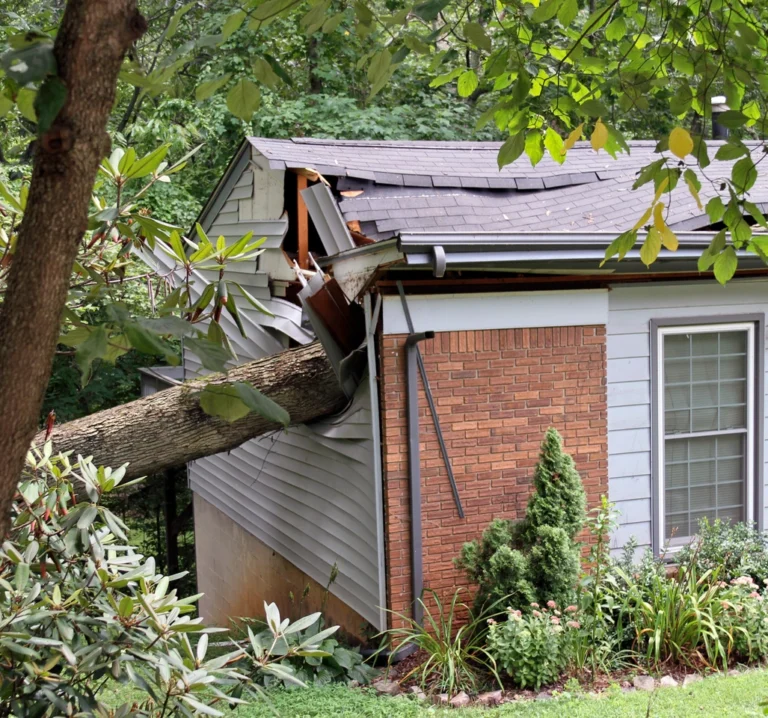
house after storm with a fallen tree on

Consider the age and material of your roof and the level of coverage you desire when choosing the right insurance policy for your home.

Factors To Consider When Choosing Coverage

First and foremost, consider your roof’s age and current condition. If it’s an older roof with significant wear and tear, view a policy that covers actual cash value (ACV) rather than replacement cost.

Another factor to consider is the deductible amount for your policy. A higher deductible can lower your monthly premiums and make you pay more out of pocket when damage occurs.

Recommendations for Homeowners

When choosing roof insurance coverage, homeowners should consider the age and material of their roof and the level of coverage needed. Choosing a policy that provides enough protection in case of damage or total loss is essential.

Inadequate repairs or neglecting necessary upkeep can also lead to non-recoverable depreciation, which means you may not receive compensation for the total replacement cost of your damaged roof.

Conclusion

In conclusion, understanding roof depreciation and insurance coverage is crucial for homeowners. Recoverable roof depreciation can help offset the cost of repairs or replacement, but choosing the right policy for your needs is essential.

Maintaining your roof and identifying damage early can also save you money in the long run. Remember to consider factors like age, material, and type when insuring your home or building a new one.

Don’t miss out on valuable information that every homeowner should know. Contact Open Box Roofing now and ensure the longevity and security of your roof.

Your home’s roof is essential to ensure comfort, safety, and protection from the elements. But, at some point, every homeowner will inevitably wonder, “How long does a roof even last?” How long will my roof last? Especially if you have had minor roofing issues arise such as roof leaks, missing shingles, moss growth, etc…

So.

How long does a roof last? On average?

For a typical residential roof—depending on the material, type of roof, climate conditions, and proper maintenance, the answer can vary significantly from an asphalt roof with shingles to slate roofing.

It’s always great to keep up with general roof maintenance tasks to ensure a longer-lasting roof, but if you’re unsure as to the age of your roof or have been dealing with consistent issues, it’s important to fully inspect your roof.

Always consult with a professional roofing contractor if you think you need a new roof.

Until then, get informed by reading further.

Typical Roof Lifespans for Different Materials

Residential roofs installed with asphalt shingle roofing materials

Asphalt shingle roofs can last between 15 to 30 years; wood shake roofs for up to 30 years; fiber cement shingles for around 25 years; metal roofs can last from 40-70 years; slate tiles and clay tile roofs have a lifespan of over a century, while concrete tile roofing has an average lifespan of 50+ years.

Asphalt Shingle Roofs: 15-30 Years

Asphalt shingles are the most popular choice for homeowners due to their affordability, versatility, and relatively long lifespan. Typically, these roofs can last between 15 and 30 years, depending on various factors such as installation quality, climate conditions, and regular maintenance.

Several asphalt shingles are available on the market, including 3-tab shingles or architectural (laminated) shingles. 

While both options provide excellent protection against extreme weather conditions like heavy rain or snowstorms, architectural varieties tend to be more durable and impact-resistant, which may contribute towards a longer-lasting roof.

Since many manufacturers offer warranties ranging from 15 to 30 years—always keep track of your specific warranty information, as this will give you an idea of when it might be time for a replacement if any issues arise within that period.

Wood Shake: 30 Years

Wood shakes installed on luxury home with long lasting lifespan

Wood shake roofs are a classic and attractive option for homeowners who desire a more natural home appearance. With an average lifespan of 30 years, they provide long-lasting protection from the elements while adding charm and character to existing roofs on any property.

Cedar is the most popular choice for all wood roof shakes due to its inherent weather resistance, insulating properties, and durability. When properly installed and maintained, cedar shake roofs can last up to 50 years or more, providing excellent value throughout their lifetime.

However, it’s essential to remember that these natural materials require regular upkeep – including cleaning debris and applying preservative treatments – to ensure they continue protecting your home effectively.

Fiber Cement Shingles: 25 Years

Fiber cement shingles offer an appealing combination of durability, energy efficiency, and aesthetics, making them an increasingly popular choice for homeowners seeking a durable roofing option.

These versatile roof materials and shingles are constructed from a blend of cellulose fibers, sand, and cement, providing impressive resilience against the elements.

One notable advantage of fiber cement shingles is their resistance to rotting and warping – common issues faced by wood shingles and shake roofs – which helps to extend their overall life expectancy.

Additionally, they can be manufactured in various styles mimicking wood or slate, offering homeowners a range of design options without compromising longevity.

Metal Roofing: 40-70 Years

metal roof with gable and valley type on a large house

Metal roofing materials are known for their durability and longevity, with the average lifespan ranging from 40 to 70 years. However, this can vary depending on the type of metal used, such as steel or copper, and how well it is installed and maintained.

Compared to traditional asphalt wood shingle roof and roofs that typically last around 15-30 years, a properly installed metal and roofing system can last over twice as long. For example, while steel roofing has an average lifespan of about 40 years, zinc-coated metal roofs will last between 60 and 100 years.

Copper metal roofs are even more durable than regular metal roofs, with an expected lifespan of around 80 to 100 years making them the most long-lasting type of metal roofing available.

Slate Roofing: 100+ Years

Slate shingled roofing materials are highly durable materials and long-lasting options, with some slate shingles lasting for over 100 years. However, the lifespan of a slate shingle roof greatly depends on factors such as the quality of the materials used, proper installation techniques, and regular maintenance.

Origin also plays an essential role in determining the longevity of a slate roof or tile roof; for instance, Pennsylvania slate roofs usually last between 40 to 50 years compared to Welsh or Vermont slates, which can last up to 200 years.

Clay Tile Roofing: 100+ Years

Closeup of clay tile roofing material for long lasting roof

Clay tile roofing is one of the most durable roofing options available. With a lifespan of 100 years or more, it’s evident that clay tile roofing alone can last more than twice as long as asphalt shingles.

Clay tile roofs are also fireproof, which makes them an ideal option for use in dry or arid regions where wildfires occur frequently. In addition, clay tiles are resistant to strong winds and inclement weather.

Concrete Tile Roofing: 50+ Years

Concrete tile roofing is a popular choice for its durability and long lifespan. On average, concrete tile roofs can last over 50 years or more with proper maintenance.

While concrete tiles have a shorter lifespan than clay roof tiles (which can last up to 100 years), they are still considered one of the most cost-effective options today.

Maintaining them regularly is crucial by inspecting them for damage, keeping gutters clean, and removing debris from the entire rooftop surface.

Factors That Affect Roof Lifespan

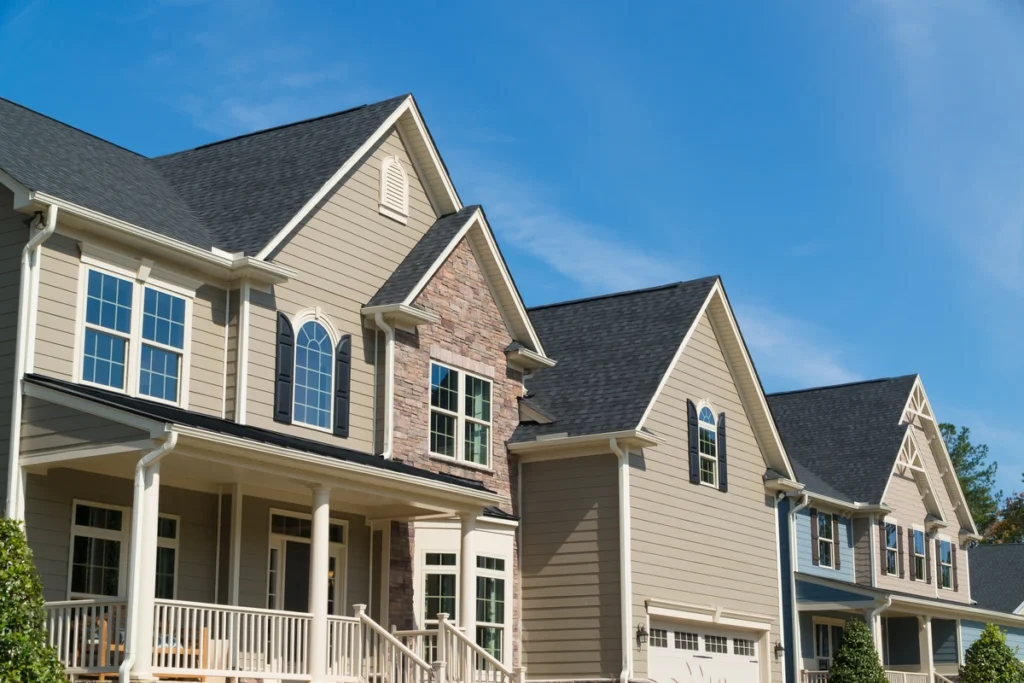
townhome constructions next to each other

Several factors affect the lifespan of a roof. One major factor is weather conditions in the area. Roofs in areas with harsh weather conditions tend to wear out faster than those in milder climates.

The quality of roof repairs and installation also plays a crucial role in determining how long your roof lasts. A full roof replacement or poorly installed roof can develop problems early on in roof life, leading to premature deterioration.

Lastly, proper maintenance of roof leaks is critical for extending the lifespan of any roof replaced with any type of roofing material.

By addressing these three key factors affecting your roof’s lifespan – weather conditions, installation quality, and regular maintenance – you’ll be more likely to get maximum value from your investment.

How Long Does a Roof Last?

We know, “It depends,” is not exactly what you were hoping for when asking “How long does a roof last?” But that’s why the best way to assess your roofing needs is to do some research and get in touch with a professional roofing company that has experience with all sorts of roofing materials, roof types, and offers quality roofing warranties.

On average, residential roofs can last between 15 to 30 years. However, you can significantly extend your roof’s life with proper care and maintenance and—most importantly, working with professionals you can trust.

For more information, professional advice, or a free roof inspection, contact OpenBox Roofing today.

Choosing the perfect roof for your home is crucial, as various factors, such as style, budget, and durability, must be considered. It’s important to know the ins and outs of certain roof types for any future needs for roof repairs or replacements.

We will understand the pros and cons of 12 popular roof styles.

In addition, we will explore the versatility of different roofing materials like asphalt shingles or metal roofs while considering vital aspects like stability with Hip roofs or water/snow runoff with Saltbox roofs.

Comparison of 12 Common Roof Types

This section will provide an in-depth comparison of 12 different roof types, including a flat roof, gable roof, hip roof, mansard roof, shed roof, gambrel roof, butterfly roof, dome roof, saltbox roof, bonnet roof, and sawtooth roof.

Flat Roof

Flat roofs are a popular choice for several reasons, one being their relatively low construction cost compared to other roof types.

Despite their simplicity in design and ease of maintenance, flat roofs have certain drawbacks. For example, they may need to provide optimal water and snow runoff due to their lack of slope, which can lead to ponding issues and potential leaks over time.

If you need flat roof maintenance or repairs, don’t hesitate to reach out to local professionals! That way you can protect your time and business.

Gable Roof

Gable roofs feature a triangular shape formed by two sloping surfaces that meet at the ridge or peak. This popular roof design offers several benefits for homeowners and stands out among other types of roofs.

Despite its simplicity, gable roofs provide ample attic space. In addition to this valuable design aspect, gable roofing materials are quite versatile.

Hip Roof

hip roof on a new family house

Hip roofs are a standout option among various roof types, known for their exceptional stability and durability. Boasting a design that consists of four sloped sides converging at a common peak, hip roofs offer more sturdiness than their gable counterparts.

Homeowners considering hip roofs can also benefit from its versatile aesthetic appeal. For instance, incorporating dormer windows or skylights brings in more natural light while adding to the architectural charm of your home.

Mansard Roof

Mansard roofs combine hip and gambrel roof designs that originated in France during the 17th century. This design features two pitches on each roof side – a steeper angle on the bottom section and a flatter one on top.

The almost vertical slope of the bottom section provides additional living or attic space, making it an ideal choice for homeowners who need more space but do not have enough land to expand outward.

Some popular roofing materials used for mansard roofs include wood shingles, slate shingles, concrete tiles, composite shingles, or standing seam metal roofing.

Shed Roof

Shed roofs are similar to flat roofs but have a steeper incline and a single slope. Shed roofs offer excellent water drainage capabilities because of their high pitch angle.

However, shed roofs may not be ideal for larger structures because they offer little attic space due to their low ceiling height on one side. Also, if not correctly installed or maintained regularly may result in significant leaks from snowmelt runoff during winter months.

Gambrel Roof

Gambrel roofs have been widely used on barns and small sheds since the 1600s. This type of roof has a distinct two-sided design, with each side having two slopes, one steeper.

Gambrel roofs are relatively easy to design and install compared to other roofing styles. In addition, they provide attic space.

However, gambrel roofs struggle against heavy snowfall or high winds due to their pitch and low slope angle.

Butterfly Roof

A butterfly roof is a modern and unique style that recently gained popularity. This type of roof is named because it resembles the shape of a butterfly’s wingspan.

However, due to their complex structure, butterfly roofs need professional design and careful attention during construction to ensure proper water runoff and prevent leaks.

They may also require additional maintenance compared to conventional roofs.

Dome Roofs

Dome roofs are an architectural standout and provide multiple benefits. They’re typically seen on larger public buildings such as museums, planetariums, or churches but can also be found in residential structures.

The unique design of dome roofs increases the structural integrity of a building by distributing weight evenly across its surface.

However, their complexity adds to their cost and requires experienced roofing contractors to install them correctly.

Saltbox Roofs

Saltbox roofs are a popular roofing style found on colonial-style homes in the United States. These roofs are characterized by their asymmetrical design, with one side being significantly shorter than the other.

One of the main advantages of saltbox roofs is their ability to handle heavy snowfalls. Thanks to their steep pitches, these roofs allow snow and ice to slide off easily, preventing damage from the accumulated weight.

Due to its complex design, saltbox roofs can be more expensive to install or repair than other roofing systems.

Bonnet Roofs

bonnet roof with dark red metal sheets and white chimney

Bonnet roofs are a unique type of hip roof characterized by four sloped sides that meet at the peak or ridge on the top of a house. This style is also known as a kicked-eaves roof, with its lower slope at less angle than the upper slope.

One significant advantage to bonnet roofs is that their design allows for plenty of natural light in homes, creating bright and open spaces.

Sawtooth Roofs

Sawtooth roofs are a unique and eye-catching design popular in the early 19th century. The sawtooth design features two slopes alternating between a steep and low pitch, resulting in a jagged or zigzag appearance from the side.

One of the benefits of this style is that it allows natural light to enter through high windows, making it an ideal art studio where ample lighting is crucial.

Curved Roofs

Curved roofs are becoming increasingly popular due to their unique and modern design. These roofs are usually made of metal or shingles, and the curved shape adds an aesthetic touch to a building.

They provide natural light through skylights, which can save on electricity costs.

It’s also worth considering that curved roofs may not be suitable in areas with heavy snowfall since they can cause water and snow runoff issues.

Conclusion

In conclusion, understanding the differences between roof types can help homeowners decide which roofing system is best for their homes. Each type has advantages and disadvantages, from Gable to Mansard to Butterfly roofs.

Whether you’re looking for durability, affordability, or style, it’s essential to weigh your options carefully before making a choice. And when it comes time to replace or repair your roof, hire an experienced roofing contractor who can properly install your chosen roofing system.

When it comes to your commercial properties, it is important to consider the overall health of the building, office, or retail space. One major component of a commercial property that protects its structure is the roof.

When it comes to replacing the roof over your business, there are certain things you’ll need to consider — all of which are directly affected by the type of material used, and materials vary based on the different types of commercial roofs available. 

In this article, we’ll cover the seven different types of commercial roofs you can choose from, as well as their pros and cons and other things you’ll need to consider. Keep reading to learn more.

What to Consider for Your Next Commercial Roof

new house with dark roof and white siding commercial roof

There are three primary things you’ll want to consider when looking at your commercial roof options:

  • Durability. When properly installed and maintained, a commercial roof system should last between 25 and 50 years — sometimes longer. It all depends on your location’s climate and sub-roof conditions.
  • Energy efficiency. Energy efficiency parameters are now generally a part of the permit process for installing new commercial roofs. However, as a property owner, energy efficiency will affect other areas of your business, which is what makes the type of commercial roof you choose so important.
  • The costs. Lastly, the cost is an important part of replacing your commercial roof. Some types are easier to install and therefore more cost-effective while others are undoubtedly more expensive. However, you don’t want to sacrifice durability, efficiency, and longevity to save a few bucks upfront.

The 7 Common Types of Commercial Roofs

The seven common types of commercial roofs include:

  • Metal Roofing
  • Built-Up Roofing (BUR) Membrane
  • Green Roofing
  • Spray-On Silicon
  • Thermoset EPDM Roof Membrane
  • Thermoplastic PVC & TPO Roof Membrane
  • Shingle Roofing

1. Metal Roofing

Metal roofing has become one of the most popular options among commercial businesses. Metal roofing has a long life span of up to 70 years, and there are several different types of metal roofing systems you can choose from, including:

  • Corrugated galvanized steel
  • Zinc, tin, and aluminum amalgams
  • Tile sheets
  • Copper
  • Aluminum
  • Stainless steel or coated steel

Metal roofing is also known for its energy efficiency, and most types can be integrated with solar panels or snow removal systems, depending on your location. It also has a very strong fire resistance rating and is stronger than most other options.

The only downside to metal roofing is that it’s susceptible to corrosion. However, that’s why modern metal roofs typically come with protective surface layers to protect the material from corrosion due to exposure to the elements and other environmental factors.

2. Built-Up Roofing Membrane

Built-up roofing (BUR) is designed to have alternating layers of tar and gravel. It has a lifespan of up to 20 years or more with proper maintenance, and the number of layers of this type of roofing will determine its durability and cost. 

Built-up roofing is also seamless and typically comes with a stable understructure which helps it remain durable under foot traffic. It can also be specially coated to reflect heat and make it  UV-resistant.

The downside to BUR commercial roofing systems is that 20 years is a short lifespan, and because it’s seamless with alternating layers, identifying any leak sources can be difficult as the roofing ages.

3. Green Roof

eco friendly house roof covered with green

The green roof is a newer type of commercial roofing that emphasizes eco-friendliness. Green roofs can last between 30 and 50 years as they consist of very tough waterproof membranes that are covered entirely by green plant life. They’re not only a sustainable option, but they can improve the outdoor air quality while offering employees and tenants a nice place to relax and rest. 

Green roofing is also associated with better protection from the elements, potential utility and government incentives, and of course, improved aesthetics. They’re also designed to have superior water drainage management.

The only downside to green roofing, aside from the cost, is that they require ongoing maintenance and monitoring since they involve plant life and a lot of moisture.

4. Spray-On Roofing

Spray Polyurethane Foam (SPF), a commercial roofing material that starts off as a liquid spray that expands into a foam and then hardens into a solid layer. SPF roofing is another eco-friendly option as it’s simply applied to the top of your existing commercial roof — which means it doesn’t require extra materials or a long installation process.

SPF roofing systems also add the elements of waterproofing and insulation that can be used in any type of climate. It can also last up to 50 years with proper installation and care. Of course, the disadvantage to Spray-on roofing is that there’s a small window of time for when it can be applied, and it requires two annual inspections.

5. Thermoset EPDM Membrane

Ethylene Propylene Diene Terpolymer (EPDPM) is a durable, roll-based synthetic rubber roofing membrane. Also referred to as Thermoset roofing, this type of commercial roofing system provides strong protection from UV rays, pollution, and the elements — which also makes it long-lasting.

Due to its roll-on application, Thermoset EPDM is easy to install. It also comes in black and white rolls, both of which are resistant to common solvents like acids or alcohols, making it versatile as well.

However, EPDM membrane roofing isn’t exactly the nicest to look at. It can also puncture more easily than the others when it comes to foot traffic, falling debris, and in some cases, hail.

6. Thermoplastic PVC and TPO Roof Membranes

Poly Vinyl Chloride (PVC) and Thermoplastic Polyolefin (TPO) roofing systems hold up well to UV rays, extreme weather conditions, chemicals, bacteria growth, and much more. They’re also lightweight and puncture-resistant thanks to their strong air-welded seams, fire resistance rating, and tolerance to extreme temperatures. 

However, PVC and TPO are incredibly popular, which means there are tons of cheaply made products on the market. If you don’t purchase your PVC or TPO membrane roofing from a reputable roofing contractor, you’ll likely end up with a poor product and wasted money.

7. Shingles

Shingles are most commonly seen on residential properties, but they’re also popular among commercial businesses — specifically businesses with steep roof pitches.

Shingles can be made from a number of different materials, including asphalt, slate, plastic, ceramic, composite, and even metal. This makes them not only affordable but easier to install and versatile, as there’s a shingle type out there for everyone.

However, depending on the brand of shingles you and your roofer agree upon, the lifespan will differ. Shingles are also more susceptible to mildew and mold growth if not maintained properly.shingle metal roof of new house as commercial roof option

What Type of Commercial Roof Is Right for You?

There’s a lot to think about when choosing the next type of roof for your commercial business. However, the right roofer can help you choose the right materials for your budget and needs.

That’s where we come in. OpenBox Roofing provides all our clients with a personalized roofing experience to guarantee a strong roof over their homes and businesses. Give us a call today to learn more about our roofing and other exterior services!

Are you considering whether or not to get a roof replacement in 2023? Curious about the costs involved?

Roof replacement is a significant financial investment that can vary dramatically in scope. The average cost of roof replacement will depend upon a number of factors. These include the material used, the size of the roof, and the location of your home.

We will explore all the factors that can potentially impact roof replacement costs in 2023 and provide insight into the average price for various roofing materials. We want to help you make a fully informed decision.

Factors That Impact Roof Replacement Costs In 2023

considering materials when assessing average cost of roof replacement

Several factors influence the total cost of a roof replacement in 2023, and each plays a crucial role in determining total financial expense.

One significant factor is the roofing material selected. For instance, asphalt shingles, easily the most common and affordable option, can range from $4 to $7 per square foot. However, pricier materials like steel shingles or slate can run between $10 and $40 per square foot.

Roof size is another critical aspect that impacts overall costs. Any large or more complex roof will inherently require more skilled labor and resources for installation, which drives up cost.

Furthermore, roof pitch or slope affects costs due to increased safety concerns on steep roofs; contractors often charge a higher rate for work on these surfaces. Any existing old roof that involves multiple levels (two or more stories) can further amplify total cost.

Lastly, location plays a critical role in determining roof replacement cost. Labor rates vary across regions (within North America) based on local market conditions and overhead expenses.

Average Cost of Roof Replacement In 2023

Open Box Roofing replaces residential rooftop

In 2023, the average cost of roof replacement was around $11,500 for a new roof installation. However, this figure may range from $8,500 to $14,300 based upon individual circumstances. $11,500 was determined to be the cost for an average-sized home.

Several factors account for these fluctuations in price across different regions of the United States.

The cost of living in each area directly impacts labor cost, while localized weather conditions dictate specific roofing material requirements to ensure long-lasting durability and protection against the elements. Around 60% of your total cost will be accounting for labor.

Roofing Costs by Material

The type of roofing material selected plays a significant role in determining the overall cost of your roof replacement. After labor costs, the remaining fees associated with roof replacement go toward materials.

Additional to the cost of shingles, underlayment, flashing, ridges, and new vents will all be factored in by the contractor. Homeowners will also contribute to the cost of building supplies like rented tools and equipment.

Asphalt Roofs vs. Metal Roofs

Basic asphalt shingles, for instance, are easily the most affordable option available and typically run between $1.50 to $5.50 per square foot.

Premium materials like galvanized steel or aluminum carry a higher price tag, at around $5 to $14 per square foot. Slate roofing is also more expensive.

Expect to pay $8,000 to $15,000 for asphalt shingles vs. $14,000 to $34,000 for a metal roof. The trade-off is enhanced longevity and improved energy efficiency. Metal and slate roofs cost more initially, but can reduce total long-term costs.

Roof Cost by Square Foot

front view of new replacement at average cost for smaller roof

The size of your entire roof is one of the most important factors that will determine the cost of replacement.

Roofing cost is typically charged per square, equal to 100 square feet, and larger roofs require more materials and labor than smaller ones. Expect to pay between $300 and $4000 per roofing square, or an average of $700 for asphalt per roofing square.

Replacing an asphalt shingle roof on a small house with a roofing area of around 1,500 square feet might cost between $7,000 and $10,500. What about a large, 3000 square foot roof? The average roof replacement costs can run homeowners upwards of $21,000, according to Forbes.

Determining the size of your roof can be a little difficult if you don’t have the original blueprints that came with purchase of your home. Roofing contractors can help you determine the total size of your roof, which should be incorporated into a free estimate.

DIY Roof Replacement vs. Hiring Professionals

When considering roof repair, homeowners must decide between the massive undertaking of a DIY project, vs. hiring a professional contractor.

The Risks of DIY Roof Replacement

While going DIY may save money short-term, long-term, you might be looking at increased costs and a lot of damage if not tackled appropriately. It’s important to remember that any sort of roofing is an advanced DIY project.

Even little roof repairs involve a high degree of skill and familiarity with materials.

While you can save on labor costs ($3-$6 per square foot based on national average cost), it isn’t always the best option.

It can be extremely dangerous to climb onto your home’s old roof without proper safety gear or experience handling roofing tools. As well, roofing errors can wind up impacting all the connected areas – eavestroughs, attics, and the home’s framing. You could end up with structural damage and black mold. These are associated with much greater costs than those involved in replacing an old roof.

OpenBox Offers Free Quotes and Financing

Open Box Roofing replaces roof at reasonable cost

It’s vital that you obtain a free quote from a qualified roofing company, like us at OpenBox, before settling on any home renovation project.

As homeowners ourselves, we understand the financial burden that can be associated with taking on an unexpected expense such as this. We strongly believe that you should never have to put off an essential renovation due to upfront costs. That’s why we provide access to financing options, through our partners at Service Finance.

Choose OpenBox for Affordable Roofing Today

The average cost of roof replacement in 2023 depends on several ‘key’ factors, such as material, total roof size, and labor costs.

The cost for most homeowners within Indianapolis ranges from $7,000 to $12,000.

While some may consider going DIY to save money, hiring a professional contractor is almost always recommended due to the complexity and nature of the job. You don’t want to damage the literal roof above your head.

A new roof is a big financial investment, and for good reason. Don’t hesitate to contact OpenBox Roofing today, for a free quote! Increased home value and peace of mind await you, when you opt for replacement with our team of certified professionals.

Asset 500
Asset 60
Don’t Think, Just Call Pink!
Request a Free Quote

Ready to get started? Contact OpenBox Roofing today to schedule your free inspection and discover how our residential roofing services can protect your home.

Name
Asset 5 2